 Important Notice— Our url is


In 2025, the digital landscape is more dynamic than ever. Organizations face escalating threats to data privacy and infrastructure, fueling public perceptions that cybersecurity is one of the world’s most in-demand, lucrative, and robust IT career paths. Aspirants—especially recent computer science (CS) graduates—are relentlessly advised to pursue security certifications and entry-level cyber roles, fueled by news of high salaries and a purported talent shortage. In this blog we research is Cybersecurity is a good career path for new graduates.
However, a closer inspection of the facts, hiring trends, and employment numbers reveals a different reality. Contrary to the prevailing hype, cybersecurity is not necessarily the optimal starting point for fresh CS graduates. Instead, today’s cybersecurity climate rewards experienced professionals, often with a background in IT and system administration, while entry-level cyber positions are both far scarcer and harder to secure than widely believed.

Concurrently, accelerated shifts to cloud infrastructure mean core security functions are increasingly handled by a handful of major tech companies and cloud providers—leaving fewer “hands-on” cybersecurity opportunities at the client or end-user level. Ultimately, for most new grads, roles in programming, software development, and data science offer a broader, more accessible pathway to stable, high-paying tech jobs.
This blog will examine in depth why cybersecurity is better suited to experienced professionals and why data science and Java programming careers—especially through outcome-driven job placement programs like those at SynergisticIT—are a much wiser choice for both compensation and job prospects.
Section 1: The True Nature of Cybersecurity Careers—Experience Required
While cybersecurity remains critical for all modern organizations, the discipline is uniquely challenging for fresh graduates. Unlike coding or QA testing—where academic knowledge can translate more directly to productivity on day one—cybersecurity roles rarely go to those without prior work or domain experience. Hiring managers typically want candidates who have navigated real-world technical environments, understand system and network administration, and possess a mature grasp of business risk.
Cybersecurity job postings frequently include requirements such as:
- Prior experience in networks, servers, or database administration
- In-depth knowledge of enterprise infrastructure, cloud security, and active directory
- Familiarity with regulatory compliance and incident response processes
According to a 2025 Reddit discussion among working security professionals, transitioning to cybersecurity is generally easier for people who start with roles in IT, network administration, or server/database management rather than from pure computer science coursework or software development backgrounds. One thread recounted how most career cybersecurity professionals had first acquired proficiency managing systems or networks before moving into strict security roles—sometimes after years of on-the-job exposure.
The Skills Gap: Hands-on IT Over Academic Credentials
Unlike the relatively linear path into software engineering, cybersecurity requires a conglomerate of skills not usually emphasized in university CS curriculums. Networking, system administration, and live exposure to enterprise tech stacks are all “must-haves” in most security environments. A 2024 eSecurity Planet report emphasized networking, system administration, and hands-on understanding of cloud architecture as core skills—the kind usually picked up through several years of direct IT experience, not in classrooms.
Entry-level cybersecurity certifications—while useful—do not substitute for practical experience or deep familiarity with how organizations actually run their infrastructure. Even CompTIA’s Security+ or Google’s Cybersecurity Professional Certificate emphasize foundational theory and lab exercises, but employers routinely prioritize candidates with proven operational IT histories.
This creates a recognized “entry-level paradox”: cybersecurity is one of the few tech domains where experience is required even for roles labeled ‘entry-level’. This conundrum locks out many fresh grads and pushes them toward more accessible (and more abundant) opportunities in coding or data analysis.
Section 2: Cloud Infrastructure and the Diminishing Role of On-Premises Security
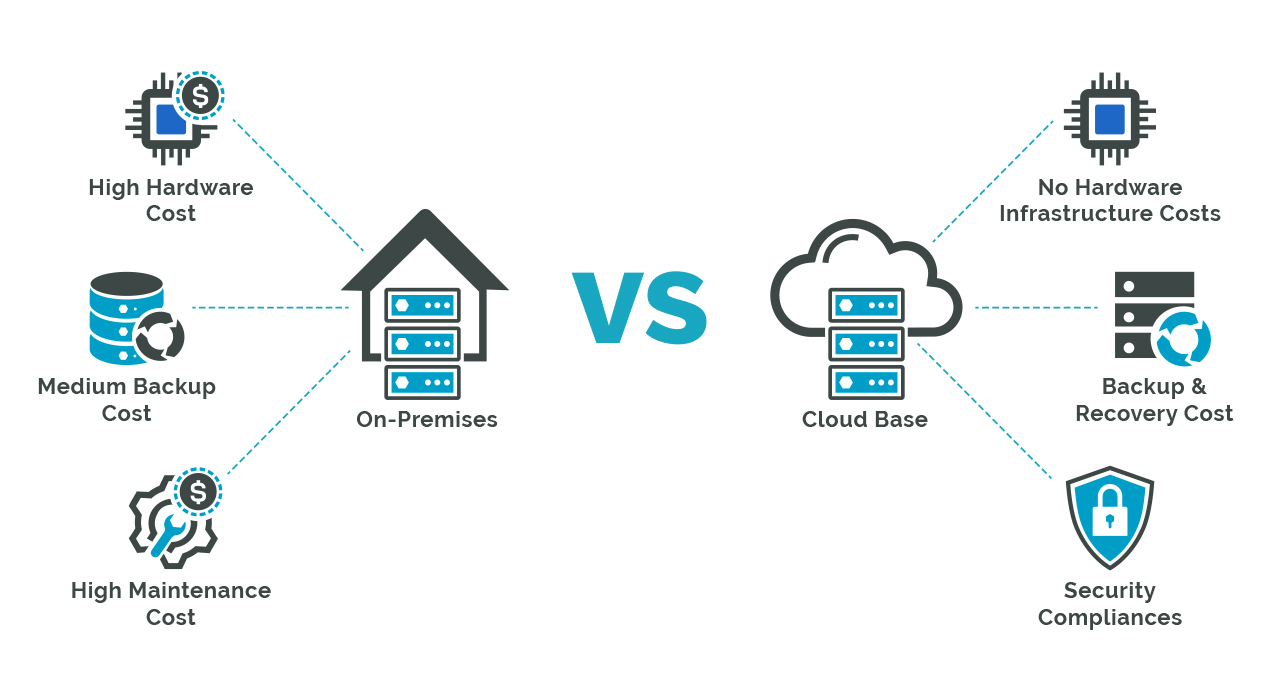
In the past, organizations hosted most of their infrastructure on-premises. IT and security teams managed physical servers, networks, firewalls, and all core defenses—making on-site cyber jobs indispensable. However, a massive migration to cloud platforms (AWS, Azure, Google Cloud) in the last five years has rewritten the operational playbook.
A 2025 Zscaler blog underlines that data security and protection responsibilities are increasingly shifted from in-house teams to cloud or managed service providers. Modern enterprises not only house their applications and data in the cloud but rely on cloud vendors to provide much of the underlying infrastructure-level security (physical, network, hardware, and most core system aspects). As a result, in-house cyber teams now focus on integration, configuration, and compliance—often with heavy automation or through third-party vendors, not bespoke internal roles.
Cloud Providers and ISPs: The New Security Gatekeepers
Major cloud providers have redefined cyber risk management. For example:
- AWS employs a “shared responsibility model”: Amazon owns and secures the physical infrastructure and host OS; customers are left to configure security “in the cloud” (e.g., app security settings, user permissions).
- Microsoft Azure offers managed security services—infra provisioning, compliance, monitoring, and even 24/7 SOC operations—thereby centralizing many functions that used to be internal jobs.
- Google Cloud delivers its own threat intelligence, SIEM/SOAR tools, and built-in compliance mechanisms—further reducing custom security labor at the customer level.
This industry-wide cloudification means that most ‘core’ cybersecurity operations are now handled by technical specialists employed directly by a few hyperscale providers or their managed service partners—not by end-user organizations.
Section 3: The Hard Numbers—Cybersecurity, Administration, and Programming Job Ratios
The U.S. cybersecurity job posting market, in fact, has shrunk over the last three years. According to the 2025 U.S. Cybersecurity Job Posting Data Report, the number of new cyber job postings in the US dropped from 467,266 in 2022 to just 347,419 in 2024—a decline of nearly 26% in two years. Notably, core roles such as Security Engineer and Security Analyst saw the most significant declines, with postings down 24.97% and 25.88% respectively from 2022 to 2024. Even high-profile “cloud security engineer” positions suffered a 43% decrease, directly tied to organizations streamlining and outsourcing cyber functions.
Table: U.S. Cybersecurity Job Postings (2022–2024)
| Year | Cybersecurity Job Postings |
| 2022 | 467,266 |
| 2023 | 363,564 |
| 2024 | 347,419 |
In contrast, software development, data science, and programming roles continue to expand rapidly. The U.S. Bureau of Labor Statistics projects a 12.9% increase for computer and mathematical occupations from 2020–2030, with data science topping the chart at 36% growth and information security analysts a distant second at 33%.
How Many Jobs Are There Really?
Let’s compare total roles in circulation:
- Database administrators and architects: About 144,900 jobs in 2024 with expected growth of only 4% over the next decade.
- Cybersecurity analysts (“information security analysts”): About 246,000 jobs in the U.S. (2025) with growth, but the bulk remain in compliance, auditing, and regulatory domains—not hands-on security engineering.
- Software/development jobs: Millions of unique openings per year—with the largest volume in entry-level web and Java development, full stack, front end, and data science.
Programming: The Ratio Advantage
- For every cybersecurity opening, there are often 15–20 programming and software development openings—and those programming jobs are usually easier for fresh grads to enter without specialized, years-long IT or administration backgrounds.
- Even among entry-level positions, programming, data analysis, and cloud roles outnumber true “cybersecurity analyst” entries by an order of magnitude.
Simply put: Jumping into programming or data science is easier and statistically more likely to lead to employment for new CS grads.
Section 4: Compensation—Entry-Level Salaries, Upward Mobility, and the Certification Trap
Salary Comparisons for Entry-Level Roles in 2025 Image
Let’s examine the reported salary data across core job roles for new tech professionals in the U.S.:
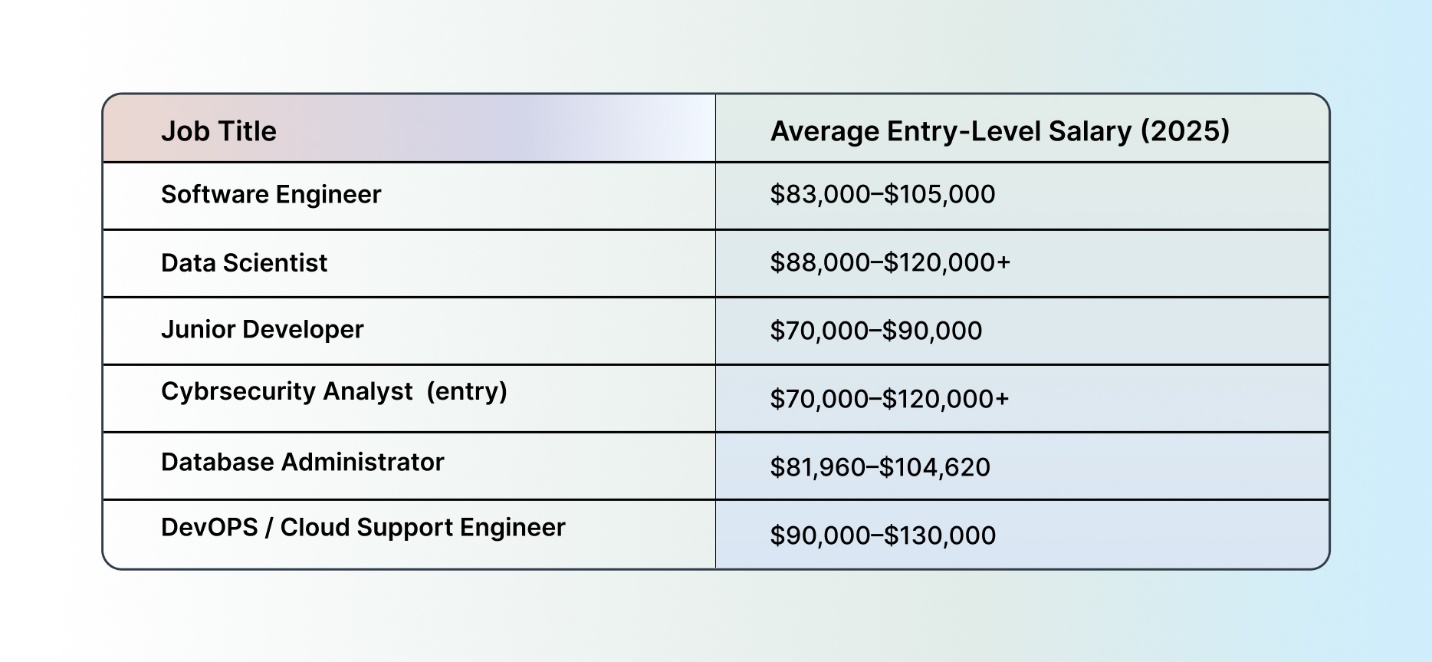
(Sources: SynergisticIT, Salary.com, BLS, ZipRecruiter, Payscale)
On paper, salaries for entry-level cybersecurity analysts can appear competitive. However, these high ranges are misleading for most new graduates because only a small minority of “entry-level” postings are actually accessible to those with no practical experience. In contrast, the vast majority of software engineer and data scientist postings are genuinely open to recent grads with academic backgrounds, especially if graduates complete skills-focused job placement programs that emphasize in-demand tools and real-world project experience.
The Real Impact of Cybersecurity Certifications
While entry-level cybersecurity certifications (CompTIA Security+, Google Cybersecurity Certificate, CISSP, CEH) make resumes more attractive, they rarely lead to high-paying jobs for those without relevant IT experience. A comprehensive study of 11,938 cyber job posts found 60% require a degree (often in information systems or engineering), 24% prefer an additional graduate degree, and only 29% outright require a certification. Even then, certifications are most valuable as an add-on to, not a replacement for, prior work experience and core IT skills.
A 2024 Nucamp blog and Indeed’s career advice emphasize that, despite a global cybersecurity skills gap, the experience barrier still blocks the majority of new grads from breaking directly into security roles. In essence: cyber certifications are not a magic ticket to a $100k+ security job for fresh grads, unlike what marketing hype may suggest.
Conversely, modern software development and data science roles reward project-based, hands-on skills which can be built in months, and validated in coding bootcamps and rigorous job placement programs.
Section 5: Where Cybersecurity Jobs Are Concentrated—and What Skills They Demand
Core Security Functions: Outsourced or Automated
Contemporary U.S. cybersecurity hiring is shifting from engineering and analyst roles to compliance, governance, risk, and strategic leadership. A 2025 SC Media and CyberSN report found:
- A 40% year-over-year increase (2023–2024) in postings for Cybersecurity/Privacy Attorneys—roles focused on policy, legal compliance, and risk management, not technical defense.
- Cloud Security Engineers and Security Analysts down by more than 25% in the same period—with many organizations now leveraging AI-driven automation and external managed security providers rather than in-house teams.
Red Team (offensive security) and sales engineering roles showed moderate growth, but these remain niche specialties requiring a deep foundation in offensive/defensive architecture and, usually, years of technical experience.
For true newcomers, the accessible jobs are often help desk, IT support, or junior programming—not cyber defense or admin.
Database, Server Administration, and Security: An “Upstream” Prerequisite
Many cyber roles expect candidates to arrive with a firm foundation in system administration or database operations. A database administrator, for example, needs expertise in optimization, high-availability, backup/recovery processes, and advanced scripting, often acquired through years running large environments. These backgrounds prepare professionals to transition to security-only roles—but for CS graduates eager to secure their first job straight out of college, the opportunity cost and time investment may not justify the switch.
Section 6: Data Science and Java Programming—Broader Markets, Better Entry Paths
Explosive Growth for Data Science and Java
- Data science jobs are growing 36% annually—outpacing almost every other tech discipline, with salaries for seasoned roles easily topping $160,000–$180,000.

- Java remains in extremely high demand in 2025, with more than 90% of Fortune 500 companies actively hiring Java developers for everything from web platforms to cloud integration and big data tools.
- Entry-level roles for software engineers, full stack developers, and cloud specialists are far more abundant than piecemeal cybersecurity analyst roles.

Leading technical job placement programs, such as those from SynergisticIT, have optimized their curriculum and placement support for the skillsets employers want the most: programming, machine learning, and cloud-based application design.
SynergisticIT Job Placement Programs: A Proven Track Record
Founded in 2010, SynergisticIT offers a suite of hands-on training and job placement programs in the most marketable technical fields: full-stack Java development, data science, AI/ML engineering, and cloud technologies. Boasting a 91.5% placement rate—with starting salaries routinely in the $82,000–$150,000 range—SynergisticIT focuses on transforming job seekers into immediately productive candidates for top-tier tech employers.
Why SynergisticIT Works
- Real-World Curriculum: Training modules map directly to job requirements—covering Java, React, Python, AWS, DevOps, big data, and full-stack methodologies.
- Project-Based Learning: Emphasis on deploying real applications, APIs, data pipelines, and cloud-native solutions.
- One-on-One Mentoring & Career Support: Each candidate receives resume branding, technical/behavioral interview prep, and recruiter support until a job offer is secured.
- Direct Employer Connections: Relationships with thousands of hiring partners and continuous resume marketing facilitate robust placement outcomes.
- Certification Preparation Included: Candidates prepare for—and can earn—industry-recognized credentials (Java, AWS, Azure) as part of their training at no extra cost.
SynergisticIT Success Showcased
SynergisticIT’s impact has drawn national attention; a dedicated USA Today feature profiled the company’s hybrid model, which combines software development, staffing, and upskill bootcamps under one roof. With proper training and project-based learning, fresh graduates can perform at a level close to seasoned developers—a claim validated by consistently high placement rates and employer satisfaction.
You can read more about their approach and real-world hiring data in their USA Today article and SynergisticIT’s official program pages.
Section 7: Interview Preparation, Resources, and Actual Graduate Experiences

Interview Guides and Real-World Resources
Unlike cybersecurity programs, which are often highly theoretical and certification-driven, SynergisticIT and many tech bootcamps focus relentlessly on job placement outcomes:
- SynergisticIT Software Engineer Interview Guides provide technical and behavioral prep, with a special focus on Java, Spring Boot, Docker, Jenkins, REST APIs, and microservice architectures.
- Java Developer Interview Questions on Glassdoor reveal what kind of questions and project-based competencies actual employers want.
- SynergisticIT’s YouTube channel and blog resources offer event videos, job seeker webinars, tech panels, coding tips, and motivational stories featuring successful job placers.
Conference, Event, and Placement Showcase
Videos from events such as Oracle CloudWorld and the Gartner Data & Analytics Summit show SynergisticIT’s active engagement with leading tech partners. These alliances sharpen graduates’ skills so that their resumes stand out and they enter the workforce equipped with industry-relevant experience.
Section 8: Cybersecurity vs. Programming and Data Science—Summary Table
Job Market, Salary, and Entry Path Comparison (2025)
| Metric | Cybersecurity Analyst | Database Admin | Data Scientist | Software Engineer / Java Dev |
| Annual Openings (US, est.) | ~28,500 | ~7,800 | ~20,000+ | 500,000+ |
| 2024 Median Pay | $124,910 | $104,620 (DBA) | $126,000 | $96,650–$105,000 |
| Entry Difficulty for Fresh Grads | HIGH (needs IT exp.) | HIGH (needs admin) | MODERATE (project-based) | LOW–MODERATE |
| Most Common Degree Requirement | BS + Experience | BS + Admin Exp. | BS / MS (CS, Stats, etc.) | BS (CS) |
| Certification Value | Somewhat | Sometimes | Valuable for seniors | Useful add-on |
| Real Entry-Level Job Availability | LOW | LOW | HIGH | HIGH |
| Upward Salary Potential | $150K+ (after yrs) | $135K+ | $140K+ (senior) | $160K+ (senior) |
| Remote/Hybrid Flexibility | Moderate | Moderate | High | High |
(Job opening data: BLS, SynergisticIT, ZipRecruiter, Salary.com, SynergisticIT resources)
Detailed analysis: Programming and data science roles deliver both a much higher volume of accessible entry-level roles for CS graduates and a clear, direct path to high compensation. Certification-driven cyber roles are substantially fewer, and often remain inaccessible without prior operational tech experience or years in “upstream” IT. Database and admin jobs, meanwhile, hover even lower in total openings and upward mobility for new grads.
Section 9: Community Voices—What Actual Job Seekers and Industry Leaders Say
The Reddit and IT Community Consensus
- On Reddit and similar job forums, the consensus is straightforward: start in programming or data analytics; move into security only after building technical depth and IT operational experience.
- Multiple contributors report that “netsec isn’t something you get into right out of school” and that software development provides the broadest, fastest entry to high-paying jobs and the opportunity to pivot into cyber, cloud, or analytics in the future.
Program Grads and Hiring Managers
Across SynergisticIT’s alumni, “software engineer” and “data scientist” are the most frequent job outcomes, with the majority finding employment in 3–6 months post-graduation. Grads consistently reference both the program’s deep technical prep and the ongoing job-hunting support as differentiators.
Section 10: Recommendations and Final Thoughts
For New CS Graduates: Strategic Career Advice
The technology job market is competitive but full of opportunity—for those who follow the demand and approach job hunting strategically:
- Start with software engineering, data science, or full-stack programming. These domains have a lower entry barrier, more open entry-level positions, and clearer upward salary progression.

- Use technical training and job placement programs (like SynergisticIT) to develop real-world project experience and industry certifications relevant to your target role.
- Consider cybersecurity or database admin only after accruing a couple of years’ experience managing systems, networks, or production environments—or if your undergraduate internship provided substantial enterprise IT exposure.
- Be wary of the “certification hype.” Entry-level cyber certs are valuable, but not a substitute for real experience and do not guarantee placement or pay anywhere near what recruiters promise.
- Remember: the cloud has changed everything. Now, fewer companies need large internal security teams; most outsource major security operations, shrinking available roles for junior professionals.
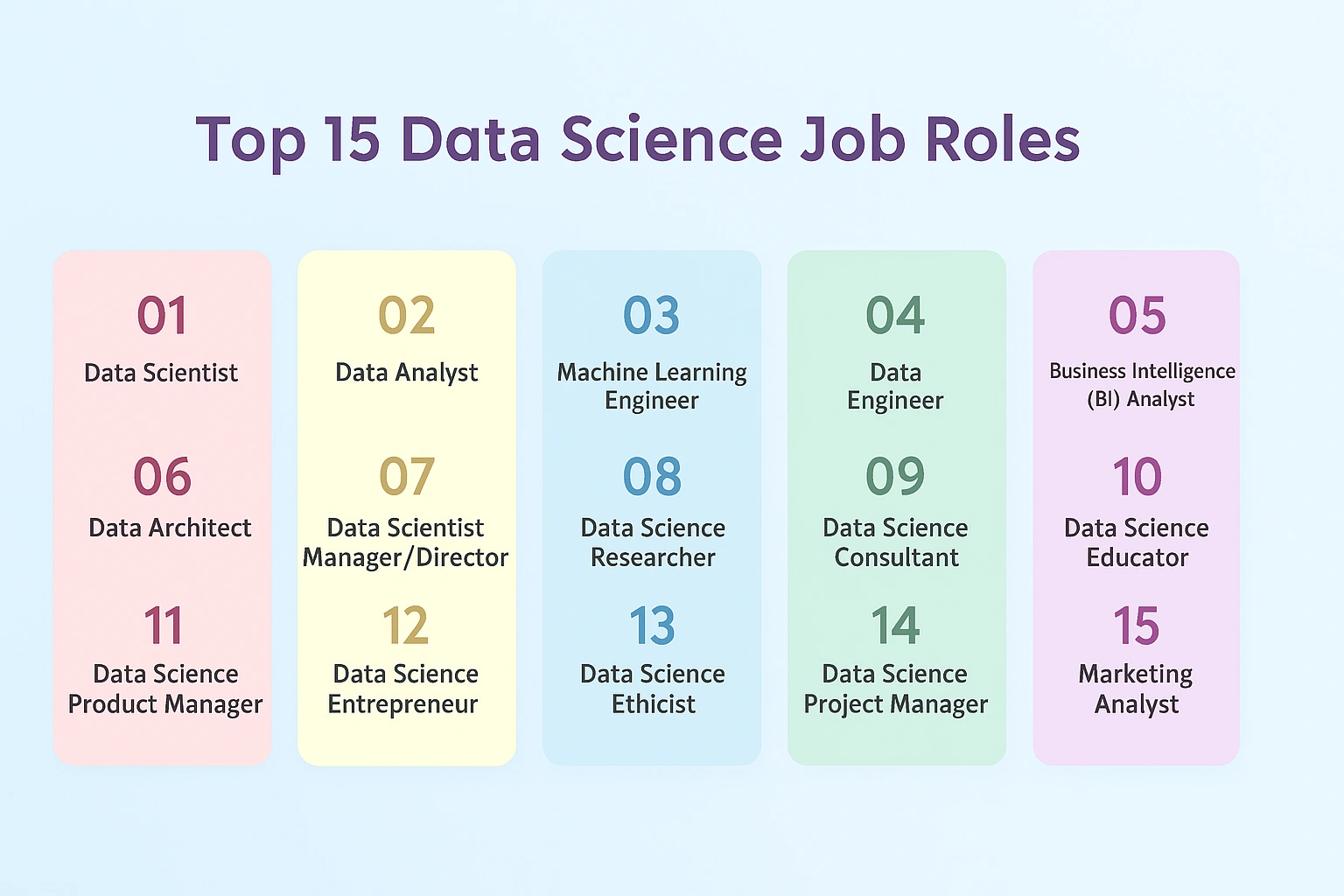
The Broader Takeaway
For the 2025 and beyond tech job market, programming, data science, and cloud-native skills will yield the best career ROI for recent CS graduates. Cybersecurity remains essential—but it’s no longer the fastest, easiest, or surest route to a rewarding tech career for newcomers.
Leverage your coding, analytical, and project skills, invest in the right training, and follow the broadest demand in software and data. You can always specialize in cybersecurity once you’ve built a robust technical foundation and real-world operational expertise.
Additional Resources
- SynergisticIT Job Placement Program
- Java Full Stack Program
- Data Science Job Placement Program
- SynergisticIT’s USA Today Publication
- Interview Questions Page
- Event & Testimonial Videos
- Blogs & Jobseeker Resources | Job Seekers Hub
- Entry-Level Software Engineering Job Data
- Entry-Level Cybersecurity Analyst Salary Data
In summary: For fresh CS graduates, focus your energy on programming, cloud, and data science—not entry-level cybersecurity. The demand, compensation, and upward mobility are all in your favor. Security expertise comes with time, but broad, foundational skills coupled with practical, cert-backed experience will open more doors and secure a higher starting salary much faster. The modern IT world rewards the adaptable, the skilled, and especially those who take the direct path to joining the broadest talent pipelines—just as SynergisticIT’s track record demonstrates.