 Important Notice— Our url is


By SynergisticIT Editorial Team · Updated 2026-09-05. Candidates who sustain a steady weekly application volume land the best odds — research shows a 61.7% chance of at least one interview from just 1–10 applications. We advise keeping that pace while strengthening resumes, technical skills, and interview readiness through structured upskilling.
Why does application volume alone not guarantee interviews?
Volume fails as a standalone strategy because a job search requires balancing effort against burnout. Applying to too many jobs spreads effort thin and invites generic submissions; applying to too few limits exposure to the right roles. A strong job application conversion rate comes from matching skills to roles, tailoring materials, and timing submissions around hiring cycles. We build our programs around this reality, tailoring services to each candidate’s technical background rather than pushing generic placement.
Does sending more applications improve response rates?
Not necessarily. The average job application response rate hinges on relevance and preparation, not raw quantity. Candidates who submit fewer, well-matched applications often outperform those blasting resumes across every listing they find.
What matters more than the number of applications sent?
Quality vs quantity job applications comes down to fit: technical skill alignment, resume customization, and timing outperform sheer volume. Our team meets client companies’ technical demands through tailored services rather than volume-driven placement. The honest answer: fewer, sharper applications beat a flood of unfocused ones.
How many job applications per week should you send?

Volume targets shift with employment status and market competition. Employed or casual job seekers do well sending 10–15 well-matched applications per week, per How Many Jobs Should I Apply to Per Week? (2026). Unemployed candidates or those in a tight market should raise that pace to 20–30 weekly. SynergisticIT builds recruiting programs around each candidate’s actual goals rather than pushing blind mass applying — a tech job search strategy grounded in fit, not volume.
Should I apply to more jobs if I’m not hearing back?
Silence usually signals a targeting problem, not an effort problem. Review fit and positioning first, then adjust weekly volume within the ranges above.
Is it better to send fewer, stronger applications?
A smaller batch of carefully matched applications outperforms a large batch sent without customization. Our recruiters match candidates to roles suited to their actual skill set, converting applications into interviews rather than unanswered submissions.
What is a healthy job application conversion rate?

A healthy job application conversion rate sits close to a 61.7% chance of landing at least one interview from submissions in the 1–10 range, per a widely cited jobs blog study. We read that “sweet spot” as a ceiling, not a mandate: sending 80 applications with weak targeting produces worse outcomes than sending 15 built around real skill fit and employer needs.
How many job applications does it take to get an interview?
The honest answer depends on candidate readiness far more than raw application count. Our people-centric placement approach starts by matching candidates to roles where their skills genuinely fit, raising the odds that any single application converts.
Does quality matter more than quantity in a job search?
Yes. No volume of applications compensates for gaps in core competency. Instead of encouraging mass-apply, we focus on:
- Strengthening technical fundamentals before candidates enter the market
- Matching candidates to roles suited to their actual skill level
- Building tailored recruitment plans rather than one-size-fits-all applications
A strong average job application response rate comes from readiness first, volume second.
How Many Job Applications to Get an Interview?

Numbers vary widely across candidates. Average applications required per offer vary considerably with role, market, and candidate readiness. Worst-case scenarios push higher still: some job seekers submit 400–750 applications before a single offer, figures that reflect the open market, where resumes compete without any targeted skill match or employer relationship behind them.
Why do some candidates need so many more applications than others?
Skill alignment drives most of that gap. A candidate applying broadly without a tech job search strategy wastes effort on roles that were never a fit — weak positioning, generic resumes, and missing in-demand skills stretch the numbers dramatically.
Does upskilling actually reduce the number of applications needed?
Sharpening technical skills changes the math directly. We built SynergisticIT around software development, staffing, and skill enhancement in Java and current technologies. Consider what separates the low end of the range from the high end:
- Low end (1–30 applications): Strong technical fit, targeted applications, relevant recent skills
- Middle (30–200 applications): Reasonable skills, but limited targeting or market mismatch
- High end (400–750 applications): Skill gaps, generic applications, no strategic focus
We built our program to move candidates toward that low end.
Quality vs quantity job applications: which wins?

Quality wins. Per How Many Job Applications Does It Take to Get a Job?, the typical success rate per application sits between just 0.1% and 2%. A blast of generic resumes rarely beats a smaller batch of tailored ones aimed at roles that actually fit a candidate’s skills. Most job seekers who feel stuck are applying to mismatched roles with materials that don’t reflect their actual strengths, not applying too rarely or too often.
Why does quality matter more than volume in a tech job search?
A strong tech job search strategy treats every application as a targeted pitch, not a lottery ticket. Our process starts by listening to each candidate’s specific goals before customizing development and career guidance. Quality vs quantity job applications comes down to three practical habits:
- Match each application to roles where skills genuinely align
- Customize materials instead of recycling one generic resume
- Track outcomes so weak patterns get corrected early
Should candidates ever apply broadly?
Some breadth helps early in a search, but breadth without targeting wastes effort. Pairing a reasonable weekly volume with genuinely tailored materials protects both a candidate’s time and their job application conversion rate.
What does average job application response rate tell you?
Average job application response rate measures how many submitted applications actually convert into a callback, screen, or interview invite. A low response rate signals a mismatch between a résumé and what employers screen for, not bad luck. Our programs concentrate on Java, J2EE, and Full Stack development — the precise skill set tech employers filter for during resume screening and technical interviews. Candidates who strengthen these competencies see their conversion rate shift, because they start applying with proof of current skill instead of applying blind.
Why did we build a full upskilling program around this?
We built one of the most thorough IT upskilling programs in the industry because response rate, not application count, decides outcomes. A candidate sending fewer, stronger applications backed by verified Java and Full Stack skills outperforms one blasting out generic resumes.
Does a stronger tech job search strategy actually raise response rates?
A tech job search strategy built on demonstrable skills and real project experience changes how recruiters read a resume. Employers respond to evidence of capability, not application volume alone.
What’s a smart tech job search strategy?
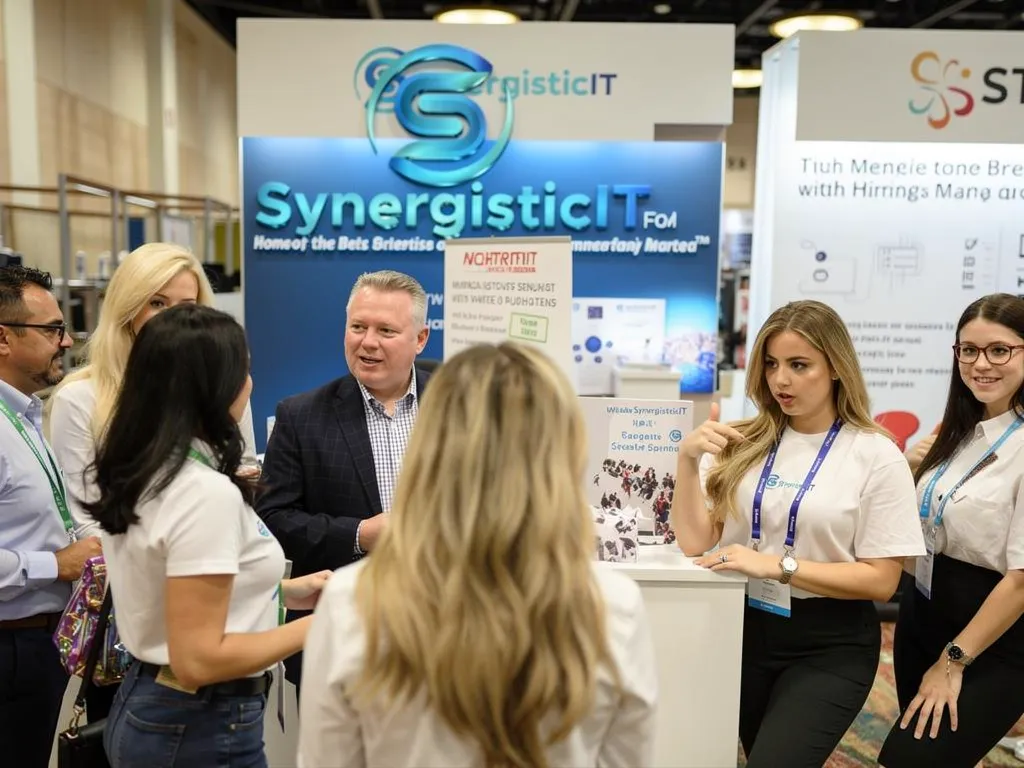
A smart tech job search strategy pairs candidates with employers instead of leaving applicants to send resumes into a void. We operate as a mix of a staffing company and a job placement program, connecting engineers and career switchers directly to hiring managers rather than relying on volume alone. Since 2010, we’ve matched top-tier IT talent with clients from early-stage startups to Fortune 500 companies, giving candidates access to hiring pipelines a public job board doesn’t offer.
Why does a placement program beat applying alone?
Applying alone puts the full burden of matching skills to openings on the candidate, with no visibility into which roles are actively hiring. A placement program shifts that burden onto a team with existing employer relationships, sharpening candidate skills while managing employer demand.
How does this compare to a coding bootcamp?
Our job placement program goes further than a typical coding bootcamp by connecting candidates to major tech clients after training, rather than ending support at graduation:
A strong average job application response rate starts before an application ever gets submitted — with the right match, the right skills, and the right introduction.
How can SynergisticIT strengthen your interview odds?
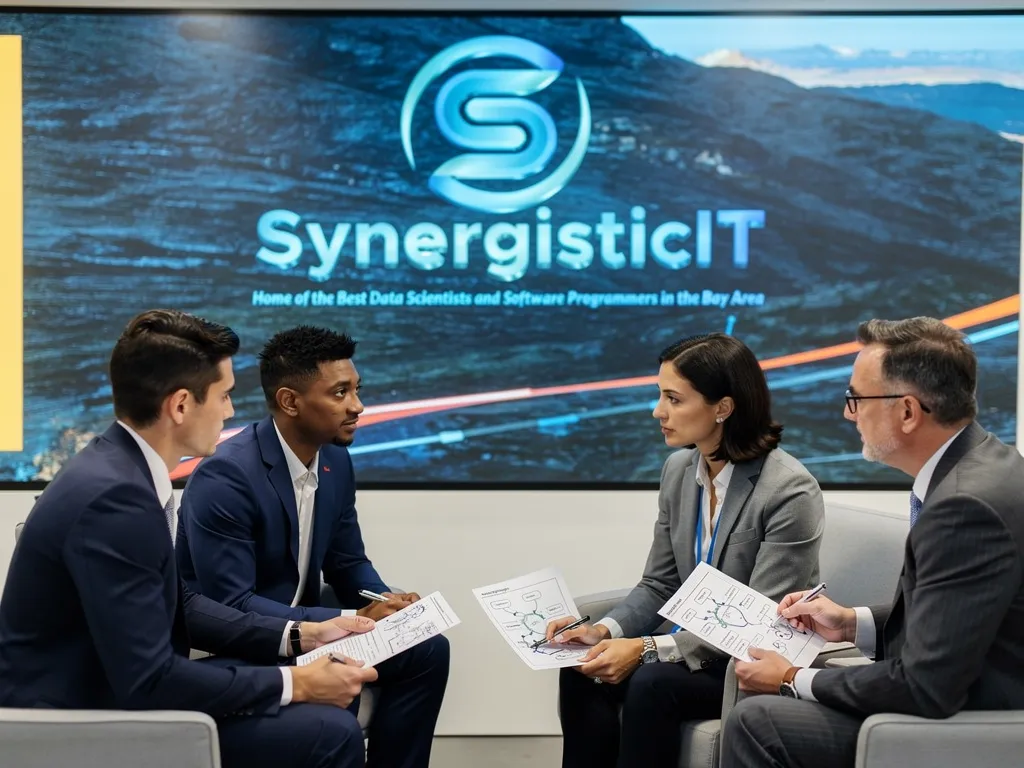
SynergisticIT strengthens interview odds by building technical readiness before candidates submit a single application, so every application represents genuine, demonstrable skill rather than a résumé built on gaps. We invest heavily in mock interviews and technical interview preparation, giving candidates repeated practice answering the questions hiring managers actually ask. Confidence built through repetition changes how candidates perform under pressure, which directly affects job application conversion rate outcomes once interviews begin.
Why does class size matter for interview preparation?
Small groups let instructors catch weak spots early. SynergisticIT limits each class to a handful of candidates, ensuring individual attention larger bootcamps can’t match — an approach that has drawn coverage highlighting how SynergisticIT is changing the way tech companies source talent.
Does confidentiality affect the placement process?
Yes. SynergisticIT protects candidate and client information using current encryption technologies throughout every stage of placement. Candidates rebuilding momentum after time away from the workforce can review our guidance on landing a tech job following a career gap; those pursuing analytics roles can explore our data science job placement program.
Weekly Application Volume: What the Data Shows

Volume helps you get seen, but interviews and offers come from role fit plus how well you prepare. A useful full-time range is about 10–20 targeted applications per week, not 50–80 generic ones.
Weekly Volume Benchmarks
- Huntr’s Q3 2025 data shows the typical job seeker sent about 16 applications per week (39 in the busiest quarter) — high volume isn’t the same as a high interview rate, so treat 10–15 well-chosen applications per week as a strong baseline.
- Hiring is a funnel: postings often draw 100–250+ applicants for one hire, so applying to too few roles can stall even a strong profile.
- Conversion math is blunt: generic applications convert at roughly 2–3% to interview versus 6–9% for tailored ones — five high-fit applications can beat ten generic ones.
- Offers need even more volume than interviews: many seekers need 100–150 unfocused applications per offer versus 30–50 when targeted, and channel matters — Google career portals converted at about 11% in Huntr’s data versus under 4% for LinkedIn and Indeed.
Fit Beats Application Count
- Fit is the multiplier: recruiter scan time is often just seconds, so a resume matching the role’s skills and outcomes beats a generic higher-volume total — across 1.6M+ Huntr-tracked applications, tailored resumes converted at about 6.0% versus 2.9% for generic ones.
- Apply where you meet most must-haves, not every nice-to-have — one referral can outperform dozens of cold applies (often cited around a 30% success path versus 0.1–2% for generic ones).
- Track your own ratio instead of copying someone else’s number: zero screens from 20 applications signals a targeting problem, while 2 screens from 8 means protect that quality — consistency over 6–10 weeks beats a frantic 200-app week.
Interview Prep Wins Offers
- Applications open the door; preparation gets the offer — a 3% application-to-interview rate still needs a strong interview-to-hire rate, often 1 in 4 to 1 in 10, so weak prep wastes every callback.
- Expect a slow clock: Huntr found a median wait of about three weeks to a first interview, and 55–71 days to a first offer across summer 2025.
- Prepare for the actual job, not a generic interview — map the posting’s top 5 responsibilities to your own proof, then practice explaining impact with metrics and decisions.
- Keep 2–4 live processes, but never trade fit or prep for count — ten defensible applications outperform 40 you can’t explain; you only need one yes.
Conclusion
In closing, the number of applications submitted matters far less than the quality, targeting, and follow-through behind each one. Job seekers who tailor their materials, build relevant skills, and apply strategically consistently outperform those who rely on volume alone. At SynergisticIT, we guide candidates through this exact process, strengthening technical capabilities and professional presentation so every application carries genuine weight. Contact us to talk through where your search stands today. Success in today’s competitive tech market comes from preparation and precision, not sheer quantity. Approach the process with discipline, and interviews will follow as a natural result of demonstrated readiness and effort.