 Important Notice— Our url is


By SynergisticIT Editorial Team · Updated 2026-08-21
What recruiters look for in a tech resume starts with a fast first-pass scan that prioritizes job titles, core technical skills, and quantifiable achievements near the top of the page. Recruiters revisit strong resumes multiple times before deciding whom to interview.
Debunking Common Tech Resume Myths
- The “6-8 second scan” comes from a 2012 eye-tracking study, not a fixed rule — real review time varies by recruiter and role.
- Recruiters judge technical fit and career trajectory, not just keyword matches.
- The top third should instantly show role, stack, and one measurable result.
- Bullets quantifying speed, scale, quality, or impact beat vague duty statements.
- Resume-LinkedIn mismatches and skills that fail interview scrutiny cost candidates faster than formatting slips.
- SynergisticIT’s JOPP pairs technical training with interview coaching so every bullet reflects a real skill.
Is the 6-Second Tech Resume Scan Real?
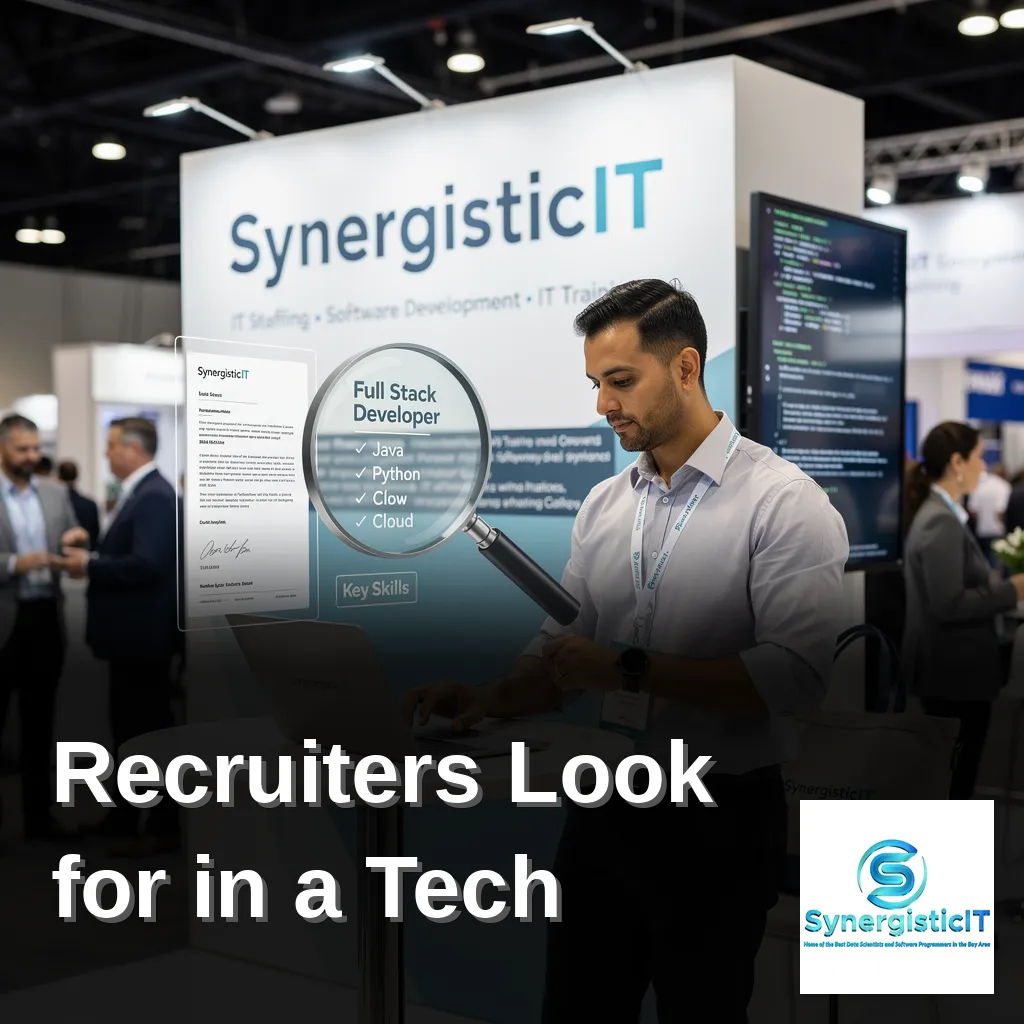
Recruiters glancing at a resume for exactly six to eight seconds is a claim, not a verified law. The figure circulates so widely across career forums that job seekers treat it as fact. We watch this closely because false urgency misleads candidates.
Pushback isn’t new. One talent acquisition leader publicly challenged a vendor who repeated the six-second claim, noting it didn’t match her hiring experience. Professionals who screen resumes daily know the process runs deeper.
Where did the six-second resume myth come from?
The number traces to a 2012 study using eye-tracking technology to record what recruiters looked at over a ten-week period. Researchers documented attention patterns — not a fixed scan duration every recruiter follows.
Does the Scan Time Matter for Tech Candidates?
Scan speed matters less than what fills those first seconds. SynergisticIT operates as a software staffing and IT skill-enhancement organization in Fremont, California, giving our recruiters direct visibility across technical roles. Clarity and structure decide the outcome, not the clock.
What Recruiters Look For In A Tech Resume?
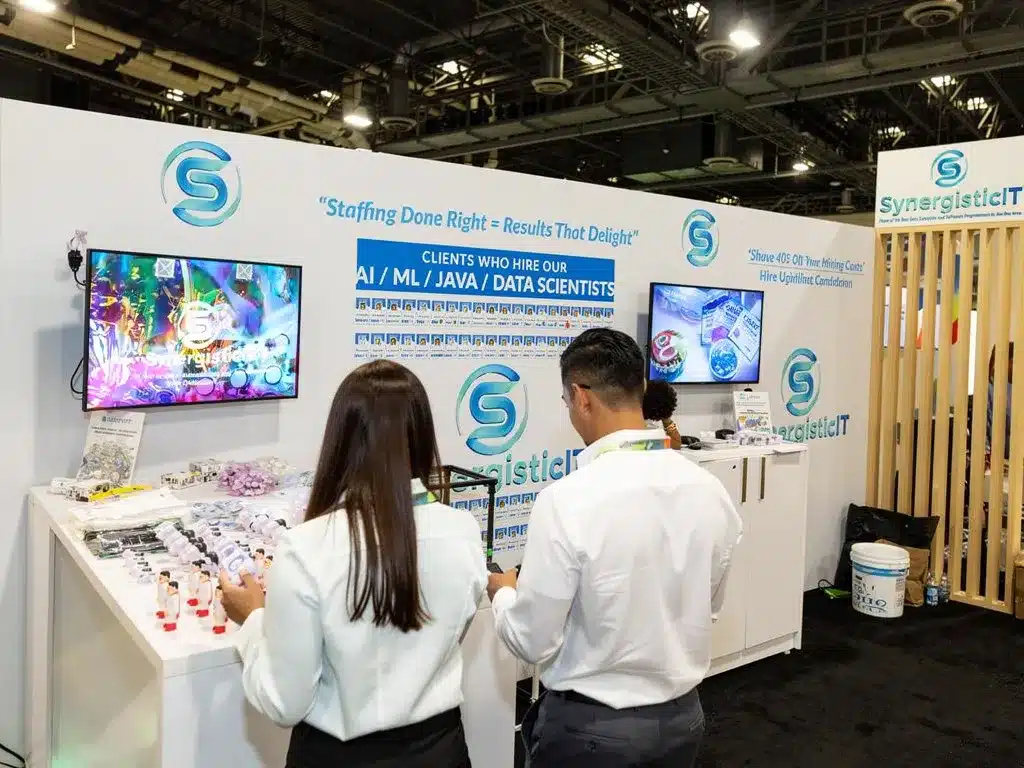
Recruiters search for candidates who match a role’s technical requirements at a glance, not just resumes with the right keywords. What recruiters look for in a tech resume centers on quickly spotting the right fit — the core function of the job itself.
A persistent myth suggests recruiters only hunt keywords, treating candidates as checkboxes. That misrepresents the real recruiter resume screening process: strong scanners assess technical fit, career trajectory, and relevant impact, not just surface terms.
Do Recruiters Only Care About Keywords?
No. Reducing screening to keyword matching ignores the judgment experienced recruiters bring to every review. Our staff works to match a candidate’s actual experience to a client’s specific technical need, not a magic phrase.
What actually earns a second look from a recruiter?
Recruiters look past surface details for signals of genuine capability. Consistent priorities include:
- Clear alignment between listed skills and the target role’s stack
- Evidence of hands-on project work, not just coursework
- A logical career narrative showing growth, not gaps
- Language reflecting real contribution, not generic duties
Recruiters filter every resume against a specific opening, weighing whether a candidate solves that employer’s actual problem — the distinction that separates callbacks from rejections.
What Belongs In The Resume Top Third Hot Zone?

The upper section of a resume must answer three questions instantly: what role, what stack, what result. Review time shifts by recruiter and workload, but this opening space still carries outsized weight.
Understanding what recruiters look for in a tech resume starts with specificity, not summary fluff. Our placement process begins the same way — we learn each client’s exact technical requirements before matching a candidate.
What technical details should sit at the very top?
Name the languages, frameworks, and project categories that mirror real hiring demand — custom application development, technology upgrades, data management, and cloud integration.
How should the top section be organized visually?
Strong resume visual hierarchy is scannable, not paragraph-heavy. We recommend:
- Job title and target specialization
- Three to five core technical skills, spanning current tools
- One quantified achievement using measurable bullet points
Current stacks belong above older ones. Candidates rebuild this hot zone before applying — treating resume structure as a technical deliverable, not an afterthought.
How Does Resume Visual Hierarchy Help Engineers?
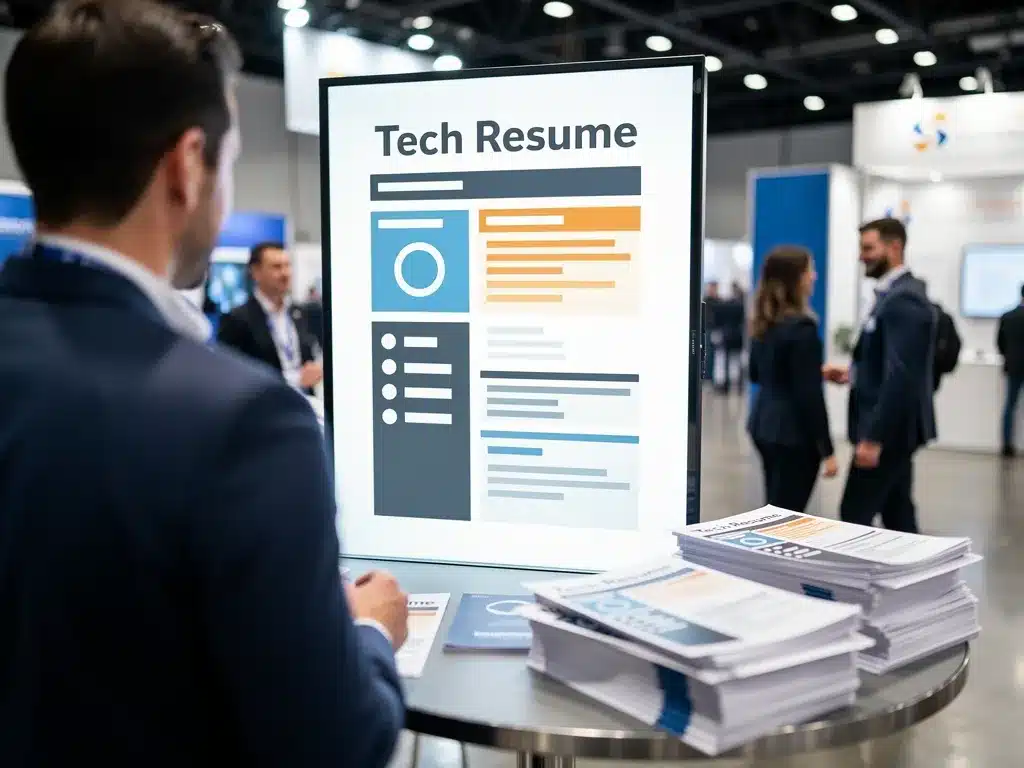
Resume visual hierarchy directs a recruiter’s eye to the strongest qualifications first. Clear structure separates a candidate from resumes that blur together. We apply that standard inside the SynergisticIT job placement program, often shortened to SynergisticIT JOPP, where resume structure gets the same scrutiny as code quality.
Our teams execute projects cleanly, from intake to delivery. We hold resumes to that same bar: organized and free of clutter, showing what a candidate can do at a glance.
What Belongs in the Top Third of a Tech Resume?
The top third hot zone should carry the strongest technical skills, the most relevant title, and one measurable achievement. This section decides whether the rest of the resume gets read at all.
How Do Bullet Points With Metrics Improve Recruiter Scans?
Bullet points with metrics turn vague duties into evidence a recruiter can weigh quickly. “Improved system performance” tells a recruiter far less than a specific outcome tied to a project.
Why Do Tech Resume Bullet Points Metrics Matter?
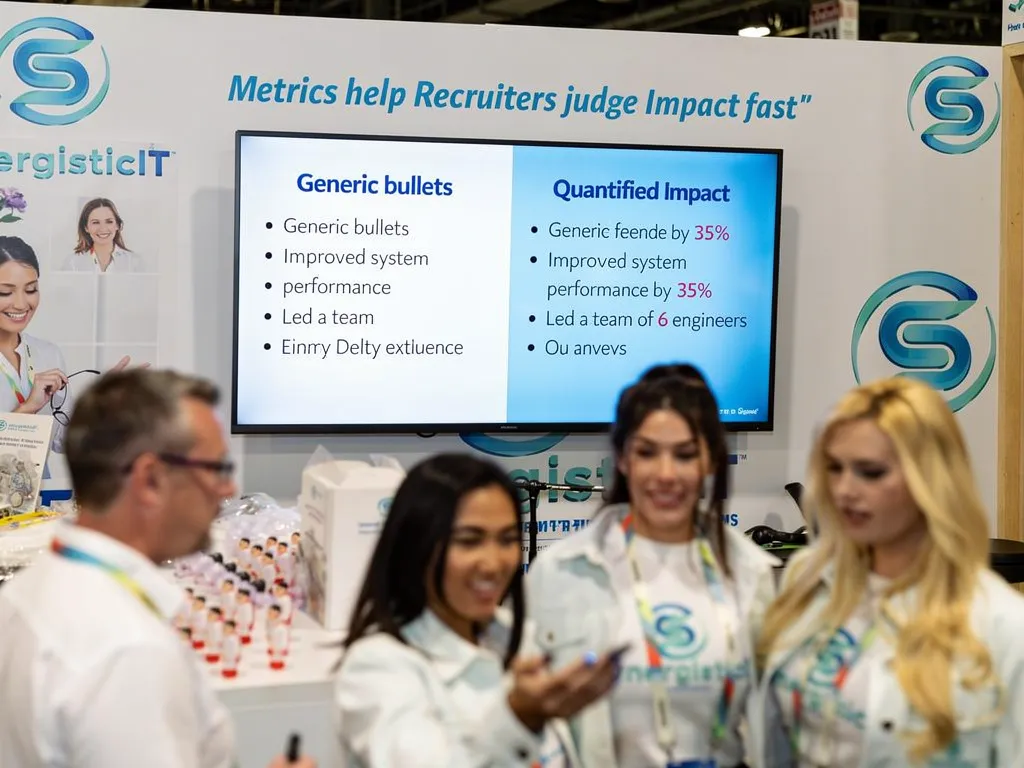
Quantified achievements separate a shortlisted candidate from an overlooked one. Screening research tracking recruiter behavior over ten weeks found specific elements caught attention while generic phrasing got skipped.
“Improved system performance” tells a recruiter nothing measurable; “reduced load time by a notable share across three microservices” tells a complete story in one line.
Strong bullet points typically quantify:
- Speed or efficiency gains (deployment time, query response, build time)
- Scale (users served, requests handled, data volume)
- Quality outcomes (bug reduction, test coverage, uptime)
- Business impact (cost savings, revenue influence, team size led)
What Metrics Should Software Engineers Highlight From Project Work?
Delivery timelines and quality outcomes carry particular weight. Among the most useful software engineer resume tips: cite sprint completion rates or release cadence, since those numbers signal the reliability recruiters screen for.
Quality metrics matter just as much as speed. We coach candidates through JOPP to translate project work into quantified, evidence-backed statements.
What Resume Mistakes Make Recruiters Move On?

Mismatches between a printed resume and an online profile top the list of tech resume mistakes that push recruiters to the next candidate. Recruiting teams cross-check both, so gaps raise immediate red flags.
Does the Six-Second Scan Myth Even Matter?
The six-second figure gets repeated so often that candidates treat it as settled fact, but staffing veterans question whether it holds up. Chasing a mythical time limit distracts from mistakes that actually matter.
What Matters More Than Passing a Scan?
Underlying skill gaps sink candidates faster than formatting missteps. We built JOPP around hands-on instruction in Java, Python, and other in-demand technologies, so qualifications hold up once a recruiter looks past the document.
Recruiters move on when a resume promises expertise a candidate can’t demonstrate. Consistency between claims and proof remains the deciding factor, far more than any scan timer.
How Does SynergisticIT JOPP Strengthen Your Resume?
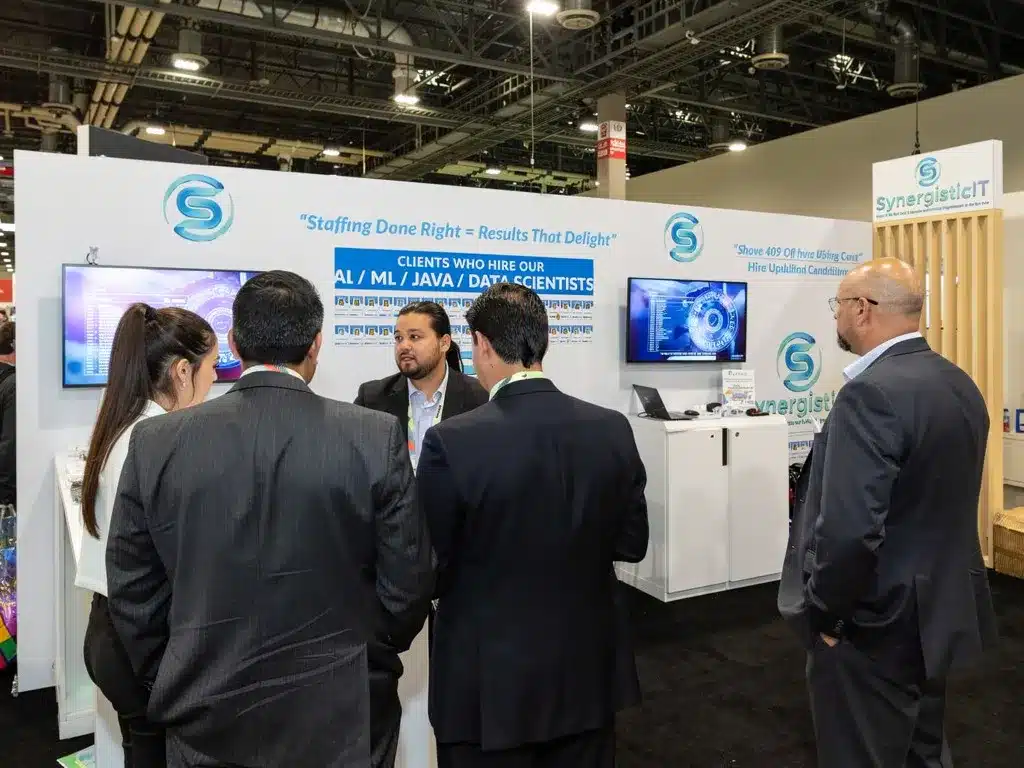
SynergisticIT JOPP builds the substance behind every line on a resume. Rather than teaching test-taking tricks, we combine technical training, interview coaching, and hands-on project work to prepare candidates long before they apply. See how that stacks up in our comparison of SynergisticIT’s ROI to traditional colleges, and watch candidates build real projects in our video and photo gallery.
What technical skills does the program cover?
Our seminars concentrate on Java, J2EE, and Full Stack development, giving candidates concrete technologies to anchor their resume bullet points metrics. Candidates leave with project experience they can quantify — languages, frameworks, systems built.
Does the program prepare candidates for interviews too?
Yes. We dedicate substantial time to mock interviews and technical prep, so candidates walk in with confidence. A resume claim only carries weight when a candidate can defend it under pressure.
Our combined approach covers three layers:
- Technical depth — Java, J2EE, and Full Stack training that produces skills worth listing
- Interview readiness — mock interviews that back up resume claims with real performance
- Placement structure — a program connecting trained candidates directly with hiring employers
We operate as a staffing organization that also runs a structured placement program and software development practice — a model USA Today has covered as an example of how tech companies source talent.
What Should You Do Before Hitting Submit?
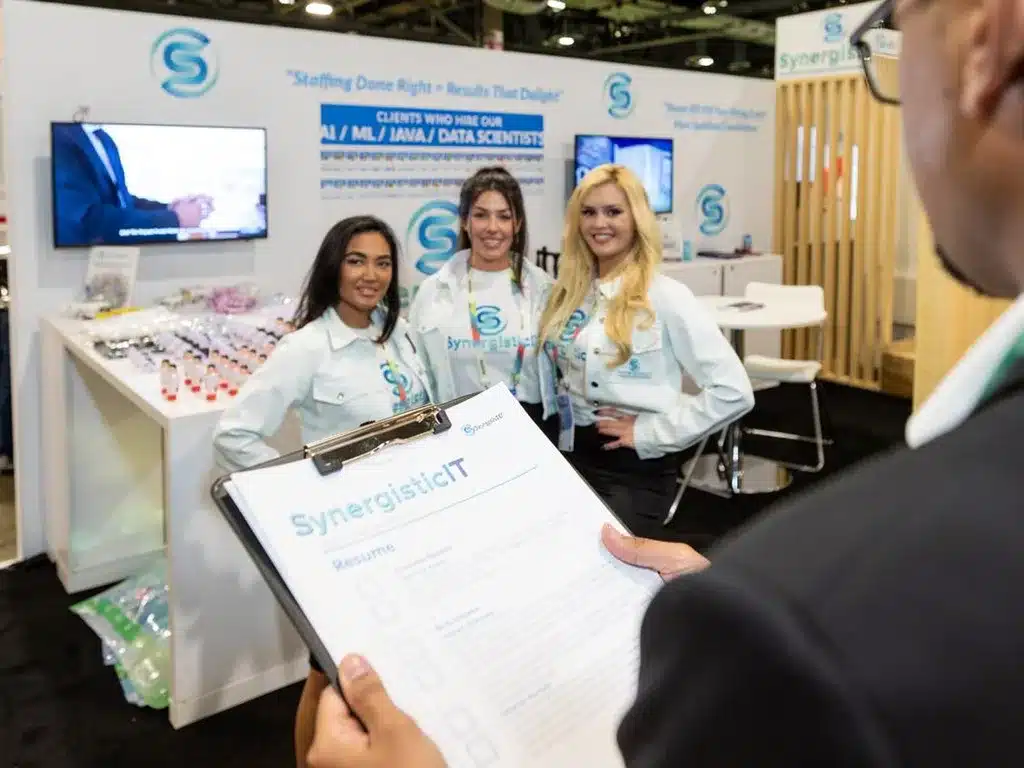
Final review before submission is one of the most practical steps we recommend: check the document against what recruiters look for in a tech resume, not just a spellcheck. A strong first impression only opens the door; substance keeps it open.
Does Formatting Matter That Much?
Formatting shapes whether a recruiter reads further or moves on. Before submitting, confirm:
- Job title and core skills appear above the fold
- Bullet points with metrics replace vague duty statements
- Formatting stays consistent across fonts, spacing, and headers
- Contact details and links are current and clickable
What does SynergisticIT check before candidates apply?
We built our review process around the standards that made us a leader in manpower planning and IT skill enhancement. Employers who engage with SynergisticIT consistently note the dedication our people bring to every assignment. We expect resumes to reflect that same seriousness.
Frequently Asked Questions
Is the 6-second resume scan a real hiring rule?
Not exactly. The figure traces to a 2012 eye-tracking study that measured where recruiters looked, not a fixed time limit. Review time varies by recruiter and role — the opening section still carries outsized weight.
What do recruiters look for first on a tech resume?
A clear job title, core technical skills matching the role’s stack, and at least one quantified achievement, all in the top third. That section decides whether the rest gets read.
Do recruiters only search for keywords?
No. Screening by keyword alone ignores the judgment experienced recruiters apply. They weigh technical fit, career trajectory, and evidence of real contribution alongside the terms on the page.
Why do bullet points with metrics matter so much?
Numbers give recruiters a fast, credible way to judge impact. A bullet citing a specific result tells a more complete story than a generic duty statement and holds up better under a quick scan.
How does SynergisticIT JOPP help candidates build a stronger resume?
JOPP combines hands-on technical training in Java, Python, and Full Stack development with interview coaching, so every resume bullet reflects a skill a candidate can actually demonstrate.
Conclusion
In closing, those eight seconds determine whether a resume advances or disappears into the discard pile, making clarity, relevant keywords, and quantifiable impact non-negotiable elements of every tech resume. Recruiters scan for proof of technical competence and real-world contribution, not decorative language. At SynergisticIT, this understanding shapes our people-centric approach to skill enhancement and placement, equipping candidates with the technical depth and presentation polish recruiters expect. A resume built with this precision does more than pass a scan; it opens the door to meaningful conversations and lasting career opportunities.