 Important Notice— Our url is


By SynergisticIT Editorial Team · Updated 2026-08-30
Recovering when you freeze in an interview starts with a pause, not panic; feeling nervous is part of the process, and we advise candidates to breathe, acknowledge the moment briefly, and ask to revisit the question. Freezing narrows working memory under pressure—it signals stress, not incompetence. We coach candidates to avoid rambling, which derails answers further, and instead restart with one clear, concrete example.
Why Does Interview Brain Freeze Happen?

Pressure spikes trigger interview brain freeze, narrowing working memory and blocking access to prepared answers. Stress hormones flood the brain during high-stakes moments, making it harder to retrieve examples, organize thoughts, or speak smoothly. Feeling nervous in that moment is the brain’s normal reaction to pressure, not a sign that preparation fell short. This reaction counts as a normal, common stress response, not a sign of weak preparation. We at SynergisticIT view a mental blank as biology, not incompetence. Candidates juggle several tasks at once during an interview: listening, recalling experience, formulating an answer, and reading the interviewer’s reactions. That mental load explains why interview anxiety recovery matters just as much as technical knowledge. A blank moment does not mean a candidate lacks the skills or capability to do the job well.
Does Freezing Mean I’m Not Qualified?
No. A pause or stumble reflects a stress response, not a skills gap. Many capable engineers freeze on questions they know cold because pressure narrows focus in the moment.
What Helps Candidates Stay Calm Under Pressure?
Preparation that simulates real interview conditions reduces the shock that causes freezing. We build this preparation directly into our training model through:
- Structured mock interviews that recreate real interview pressure
- Technical interview preparation sessions focused on how to stay calm in technical interview settings
- Repeated practice answering under time constraints
- Feedback loops that build confidence before candidates face a hiring panel
Our mock interview process exists specifically to lower the pressure that causes candidates to blank in the first place. Practicing under simulated stress teaches candidates what to do if you freeze in job interview situations before the stakes involve a real job offer. Repetition, not raw talent, builds the composure hiring managers notice.
What Should You Never Do When You Freeze?
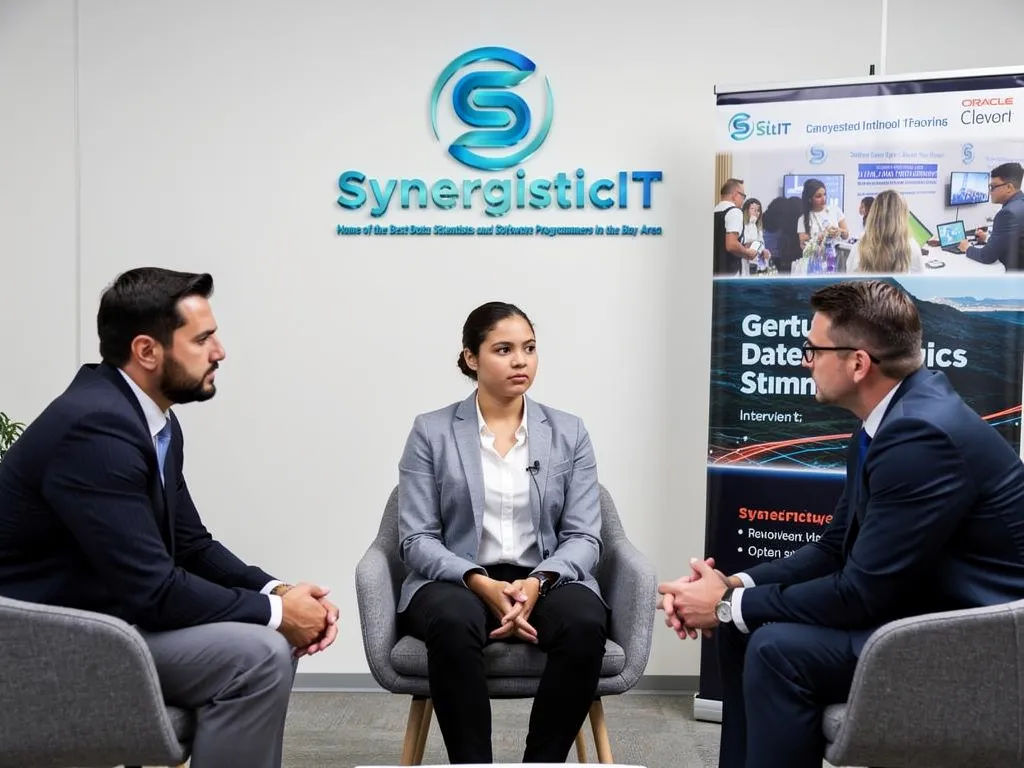
Stalling the conversation ranks as the single worst response to a blank moment. We consider interview brain freeze manageable, but only when candidates keep the conversation moving instead of letting silence take over. The moment a candidate stops the flow entirely, recovery becomes far harder. Sitting speechless with a deer-in-the-headlights expression sends the wrong signal, even when the candidate is only nervous rather than unprepared. Interviewers read that pause as panic, not composure, even when the candidate actually knows the material. Our recruiters coach candidates that interview anxiety recovery starts with staying engaged, not going silent.
Why does silence hurt more than a wrong answer?
A wrong answer shows effort and gives the interviewer something to work with. Dead silence gives them nothing except doubt about how a candidate performs under pressure. We’ve found that composure under stress often matters as much as technical accuracy in a hiring decision.
What does strong preparation look like instead?
We see the difference in the candidates we place with client companies every day. Clients who work with SynergisticIT consistently notice the dedication our candidates bring to technical assessments, a trait we build through structured preparation rather than leaving to chance.
Avoid these responses when a blank moment hits:
- Freezing into silence with a blank stare
- Apologizing repeatedly instead of redirecting
- Rushing to fill the gap with unrelated information
We train candidates on what to do if you freeze in job interview situations well before they walk in the door. That preparation, paired with knowledge of how to stay calm in technical interview settings, forms the foundation of how to recover when you freeze in an interview successfully.
What To Do If You Freeze In A Job Interview?
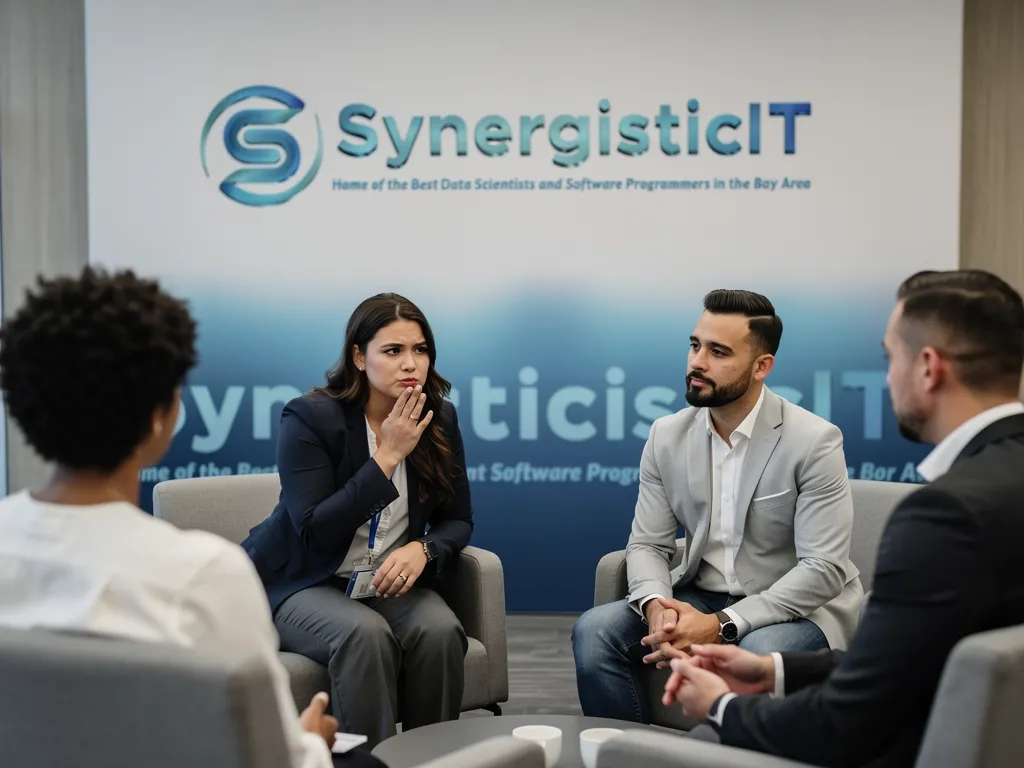
Recovery from an interview brain freeze starts with a pause, a slow breath, and a short bridge phrase that buys a few seconds to reset. Candidates who panic and rush to fill silence often derail the entire answer, while a calm reset preserves credibility. What to do if you freeze in job interview situations comes down to preparation done long before the actual conversation begins.
At SynergisticIT, we build that preparation into our training model directly. The provided brand facts and sources do not mention a class size cap of seven candidates. That small-group structure lets our instructors catch hesitation patterns early and correct them before they surface in a real interview. We also spend time understanding each candidate’s specific goals before customizing coaching around them. Once we grasp a candidate’s target role. Technical gaps, we tailor our approach to strengthen memory retrieval exactly where pressure tends to hit hardest.
How do candidates stay calm during a technical interview?
Learning how to stay calm in technical interview settings requires practicing recall out loud, not just reviewing notes silently. Mock interviews under time pressure train the brain to retrieve technical details even when nerves spike.
What are practical steps for interview anxiety recovery?
Concrete, repeatable strategies exist for candidates to use before and during an interview to limit freezing and recover fast when it happens. We recommend:
- Pausing and taking one deliberate breath before responding
- Restating the question aloud to buy processing time
- Breaking the answer into smaller, sequential points
- Asking for a moment to gather thoughts, stated confidently
These small, practiced habits turn a moment of panic into a brief, professional pause instead of a derailed answer.
How Can You Stay Calm In Technical Interviews?

Deep technical mastery builds the composure candidates need under pressure. Our seminars concentrate on Java, J2EE, and Full Stack development, so candidates walk into technical rounds with a depth of knowledge that prevents panic when tough questions arrive. We built this focus deliberately: shallow prep breeds anxiety, while layered, hands-on repetition builds real confidence. Knowing how to stay calm in a technical interview starts long before the interview itself, since feeling nervous walking in is normal and manageable with the right preparation. We train candidates to treat difficult questions as extensions of material they already know cold, not as unfamiliar traps. That familiarity reduces the odds of an interview brain freeze. The brain has fewer genuinely new problems to solve mid-conversation.
Why does confidence matter more than memorized answers?
Confidence carries candidates through moments memorization cannot cover. We consider the intense passion our program instills in candidates its greatest benefit. That passion shows up directly in how composed someone stays under pressure. A candidate who genuinely loves the material recovers faster than one reciting scripted answers.
What if a candidate still blanks during a live coding question?
We coach candidates to slow down, restate the problem aloud, and work through it in smaller steps rather than freezing in silence. Our approach to interview anxiety recovery treats a pause as a checkpoint, not a failure.
Since 2010, our organization has combined software development, IT upskilling, and manpower planning under one roof. That foundation shapes every seminar we run:
- Structured Java, J2EE, and Full Stack curriculum built for depth over breadth
- Repetition-based practice designed to make what to do if you freeze in a job interview feel manageable
- Passion-driven coaching that reinforces composure alongside technical skill
Together, these elements form our practical answer for how to recover when you freeze in an interview: preparation and genuine enthusiasm, working side by side.
How Can Structured Interview Prep Aid Recovery?

Structured preparation builds the confidence that carries candidates through interview brain freeze without derailing the conversation. SynergisticIT centers its entire approach on making the right connections between candidates and their IT goals. That foundation matters most in the seconds after a blank moment. Preparation does not eliminate nerves; it gives candidates a framework to fall back on when nerves take over.
Our placement program treats interview anxiety recovery as a core outcome, not an afterthought. Because our program is built to be more rigorous than a typical coding bootcamp, candidates practice technical scenarios repeatedly before ever facing a hiring panel at companies like Google, Apple, or Intel. That repetition trains muscle memory into responses, so a stumble becomes a pause rather than a full stop.
Is Freezing During an Interview Normal?
Blanking out counts as a normal human response to high-pressure situations like interviews, not a sign of weakness or poor preparation. Recognizing this fact removes the shame that often deepens a freeze. The realistic goal becomes recovery, not a flawless performance.
Preparation routines that support interview anxiety recovery typically include:
- Mock technical interviews that simulate real pressure
- Rehearsed frameworks for behavioral and coding questions
- Practice pausing and restarting mid-answer without panic
Knowing what to do if you freeze in job interview settings starts long before the interview chair. Candidates who train under realistic conditions learn how to stay calm in technical interview environments because the stress response feels familiar, not foreign.
How Do You Recover From Freezing, Sweating, Or Nerves In The Moment?

Recovery during an interview comes down to buying a few seconds, calming your body, and restarting the answer. Interviewers expect nerves; what they notice is whether you regain control once a freeze, a flush of sweat, or a spike of anxiety hits.
How Do You Recover When You Freeze?
- Repeat the question out loud. That buys thinking time, confirms you heard it correctly, and looks thoughtful rather than lost.
- Use a planned stall line, such as “Let me pause and reflect on that for a moment.” A rehearsed phrase is easier to say than silence when your mind goes blank.
- Ask for a repeat or a rephrase if the question feels unclear. “Could you say that another way?” beats guessing and rambling.
- Restart if you derail. Say you want to answer well, then begin again with one clear example instead of patching a messy answer.
- Slow your speech on purpose. Nerves make people talk fast; a slower pace gives your brain time to catch up and sounds more confident.
- Drop back into a simple structure: situation, action, result. That skeleton can pull you out of a ramble.
- Ask to come back to the question later if you’re genuinely stuck. Offering a later answer is stronger than forcing a weak one in the moment.
How to Stop Sweating in an Interview
If you’re looking for how to stop sweating in an interview, start here: ask for a glass of water. The sip cools you down, wets a dry mouth, and creates a natural pause.
- Use a bathroom break if the interview runs long. Splash water on your face, blot your neck, and reset before the next round.
- Dab discreetly with a handkerchief or tissue rather than wiping with your hand.
- Keep your hands loosely on the table or in your lap to hide damp palms and stop fidgeting.
- Wear breathable fabric, and a dark or layered top, so moisture shows less. Feeling covered often eases the panic that makes sweating worse.
- Stop fighting the first wave. Many candidates find the sweating eases once they accept it and keep talking.
How to Recover From Interview Nerves
- The first step in how to recover from interview nerves is your breath: lengthen your exhale. Breathing out slowly calms heart rate more than a big inhale. Box breathing—in for four, hold for four, out for four, hold for four—works well when you need to do it quietly.
- Ground yourself invisibly. Press both feet into the floor, feel the chair against your back, or squeeze and release your toes or fists under the table.
- Use a 5-4-3-2-1 scan if panic spikes: name five things you see, four you hear, three you can touch. It pulls attention off your body and back into the room.
- Relabel the feeling as excitement. Telling yourself “I’m excited for this conversation” channels the same physical energy without the threat story.
- Look outward, not inward. Watch the interviewer, jot a brief note, or ask a question so your attention leaves your heartbeat.
- Smile and keep an open posture. A small smile and uncrossed arms can shift how you feel and how you come across.
- Remember the interview is mutual. You’re also evaluating whether the role fits, which lowers the spotlight pressure and gives you a reason to pause, sip water, and keep going.
- Skip extra caffeine on interview day if you can—it tends to amplify shaking and sweat.
If you blank on a coding or system-design question specifically, say you’ll talk through your approach, then start with the constraints, a simple first solution, and one tradeoff. That recovery pattern reads as competence, not panic.
Turning Interview Challenges into Career Success
In closing, freezing during an interview reflects the high stakes of your career pursuit, not your technical capabilities or potential. By implementing recovery strategies—pausing thoughtfully, acknowledging the moment, and redirecting focus—you transform a challenging moment into evidence of your composure and resilience. As you prepare for your next opportunity, consider partnering with SynergisticIT’s tailored recruitment programs, which equip candidates with interview mastery alongside technical excellence. Your ability to recover demonstrates the adaptability that top-tier tech companies value most.