 Important Notice— Our url is


By SynergisticIT Editorial Team
This cost, ROI, and job placement guide breaks down what coding bootcamps actually deliver for career changers today. Tuition varies by program, and while many graduates see strong ROI when they finish training and actively job search, widespread tech layoffs have tightened entry-level hiring — making dedicated job placement support matter more than ever. We view outcomes as the deciding factor: rigorous training, placement support, and employer connections determine value far more than program length or price alone, especially as layoffs shrink entry-level openings and raise what employers expect from every hire.
Evaluating the Value of Coding Bootcamps in 2026

- Coding bootcamps typically cost a fraction of a traditional four-year computer science degree and run 6–28 weeks (averaging ~14 weeks) instead of four years.
- Real ROI depends less on tuition price than on what happens after graduation — rigorous training, employer connections, and dedicated job placement support drive outcomes.
- Tech layoffs have tightened entry-level hiring, so a certificate alone isn’t enough; candidates now need real project experience to compete.
- SynergisticIT combines IT upskill training with an active staffing operation, capping classes at 7 candidates and running 100% live sessions for individual attention.
- The JOPP Job Placement Program adds turnkey project work and structured interview prep, helping graduates compete for roles that call for 2–5 years of hands-on experience.
Are Coding Bootcamps Worth It?
Most published comparisons of bootcamp outcomes come from the bootcamps themselves, which biases how this question typically gets answered online. We approach it differently. SynergisticIT isn’t a standalone bootcamp — we run as a combined staffing company and job placement program provider, built around software solutions, development, and IT upskill training for career changers across the United States. Our incentive isn’t collecting tuition and moving on; we succeed only when candidates land roles with real employers.
Does bootcamp cost compare to a college degree?
Yes — the math favors accelerated training for most career changers. A traditional four-year computer science degree involves substantial total cost, while intensive training programs represent a fraction of that investment. Our upskill and placement model compresses both cost and time-to-hire compared with a conventional degree path.
What does ROI actually depend on?
ROI depends less on the training itself and more on what happens after graduation. A program that teaches skills without active job placement support can leave career changers at a disadvantage in a competitive market. Our combined staffing and training structure closes that gap, connecting trained candidates with employer demand rather than handing them a certificate and a generic list of openings to apply to alone. Career changers deserve a full **job placement guide**, not a marketing page dressed up as one. We pair IT skill enhancement with staffing relationships that turn training into a real job offer.

What Does a Coding Bootcamp Cost?
Coding bootcamp tuition in the US varies widely for full-time programs, from budget-friendly options to premium, extended-format tracks, so confirm current pricing directly with each program. Program length drives much of that spread: bootcamps run anywhere from 6 to 28 weeks, with most landing near 14 weeks. Shorter, compressed courses often carry lower sticker prices but pack the same curriculum into fewer instructional hours, raising the risk of gaps in foundational skills.
Coding Bootcamp vs Computer Science Degree: How Do the Costs Compare?
A traditional computer science degree typically represents a significantly larger investment, in both tuition and time — one reason bootcamps attract so many career switchers. But tuition alone doesn’t tell the full story: length, curriculum depth, and post-program support all shape whether that investment converts into a real tech job. Career changers who can’t spare four years or a much larger sum often turn to bootcamps for a faster entry point, but evaluating any program means asking what happens after graduation, since placement outcomes and employer connections separate programs that deliver a paycheck from programs that deliver a certificate.

How Is SynergisticIT Different From Bootcamps?
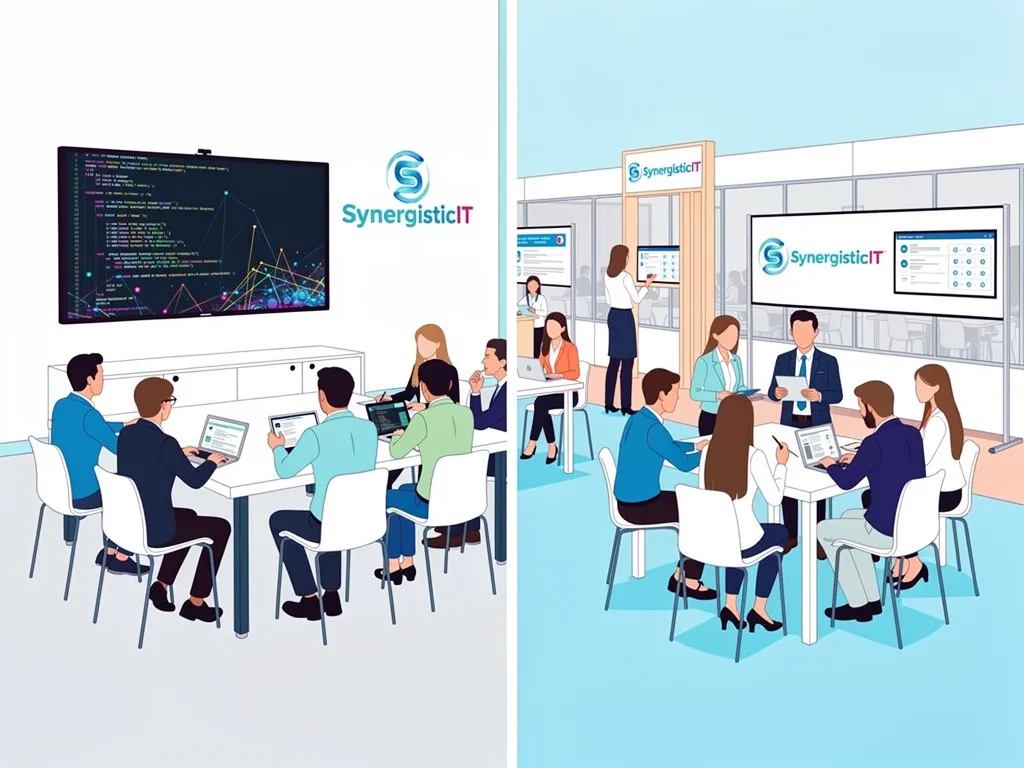
Our model rests on structural distance from a traditional coding bootcamp, and career outcomes reflect that gap. Bootcamps hand students a certificate and a generic list of openings; we build a career pathway backed by staffing expertise most training programs don’t have, earned since our 2010 founding across software development, IT staffing, and IT skill enhancement. A bootcamp teaches syntax; we combine technical training with an active staffing operation that places talent into real client roles, from early-stage startups to Fortune 500 companies.
Why does staffing experience matter more than a certificate?
A certificate proves attendance. Staffing experience proves placement. When companies come to us looking to source talent, our recruiters work directly to find the ideal match rather than pointing candidates toward generic job postings.
Does SynergisticIT use a one-size-fits-all placement process?
No. We tailor-make recruiting programs to exceed each client’s expectations, adjusting our approach to the specific skills and roles a company needs. That customization flows back to candidates: employer-informed training shapes what we teach and whom we introduce first — a bridge between skill-building and staffing, built on years of matching talent to employers that actually hire.
The practical difference shows up in three areas:
- Employer relationships: Bootcamps rarely maintain ongoing staffing partnerships; we do.
- Talent matching: Bootcamps graduate cohorts; we match individuals to specific employer needs.
- Program design: Bootcamps sell fixed curricula; we tailor recruiting programs around client demand.
Who Should Consider This Career Path?
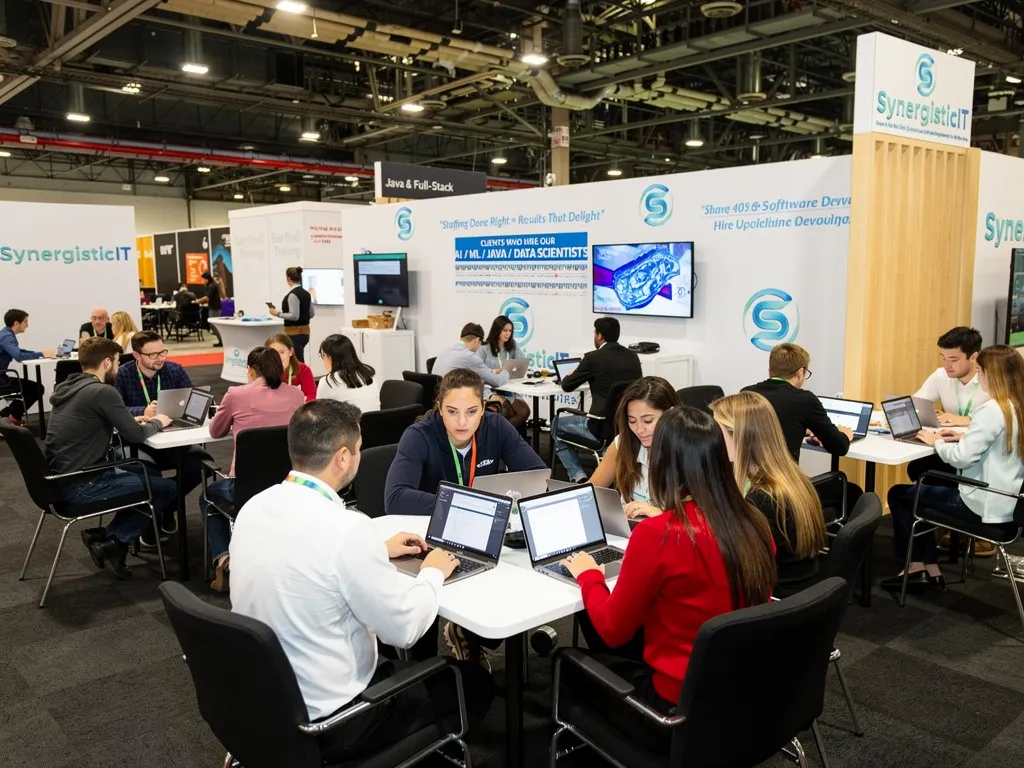
Career changers with no computer science background fit this path best, alongside recent graduates who want hands-on skills employers actually need. A coding bootcamp is an intensive, short-term training program built to teach practical programming skills in a condensed timeframe — candidates don’t need years of prior coding experience, just the drive to learn. Our seminars concentrate on Java, J2EE, and Full Stack development, and also Data Science and ML/AI, giving aspiring engineers a focused curriculum instead of a scattered survey of every language on the market.
Is this path right for someone with zero coding experience?
Yes. Our training model exists precisely for aspirants entering the field without prior technical depth, building foundational Java and Full Stack skills from the ground up. Career changers from unrelated industries often thrive here.
Who benefits most from bootcamp-style training over self-study?
Candidates who want structured accountability and a direct line to employers benefit most. We work with hundreds of satisfied American clients, placing software programmers on real projects where they gain hands-on experience with current technologies. That pipeline matters for:
- Recent graduates struggling to translate coursework into job-ready skills
- Career changers needing a credible, structured entry point
- Self-taught coders who want validation and placement support
- Professionals pivoting from adjacent technical roles into software development
How Does the Job Placement Process Work?
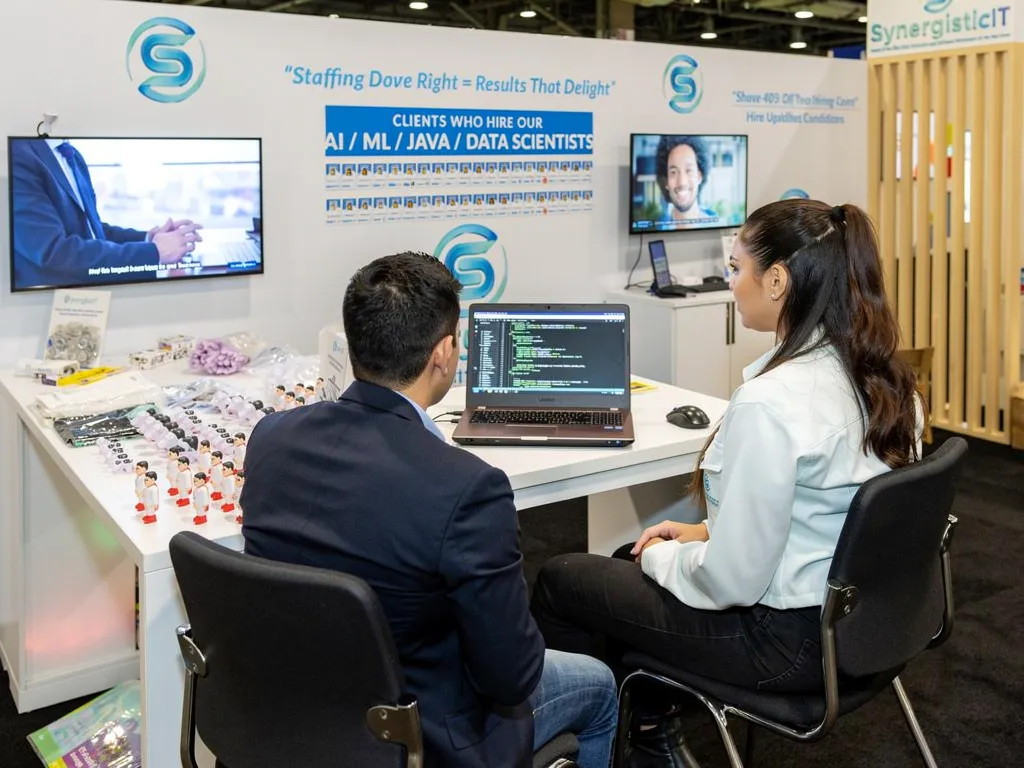
Four connected steps define our approach: listening, customizing, building, and preparing candidates for the workplace. Each stage answers what many career changers ask us directly: are bootcamps worth it if training never leads to real interviews? We start with listening, not curriculum — before assigning a project, we take time to understand each candidate’s background, goals, and target role, the same principle we apply with hiring clients. Once we grasp those goals, we customize the training path rather than pushing every candidate through an identical track, which directly affects cost efficiency and long-term ROI.
What kind of projects do candidates work on?
Our development teams take on turnkey projects — assignments handled start to finish, the same way a client engagement runs in production — so candidates gain hands-on experience on real work, not toy problems.
How do candidates prepare for interviews?
We spend considerable time on:
- Mock interviews that simulate real hiring conversations
- Technical interview preparation covering coding and problem-solving skills
- Confidence-building so candidates walk into interviews prepared, not anxious
This combination — listening, customized training, turnkey project work, and rigorous interview prep — forms our full job placement guide for moving candidates from training to employment.
Why Do Most Coding Bootcamps Fail Jobseekers — and How Does JOPP Help?
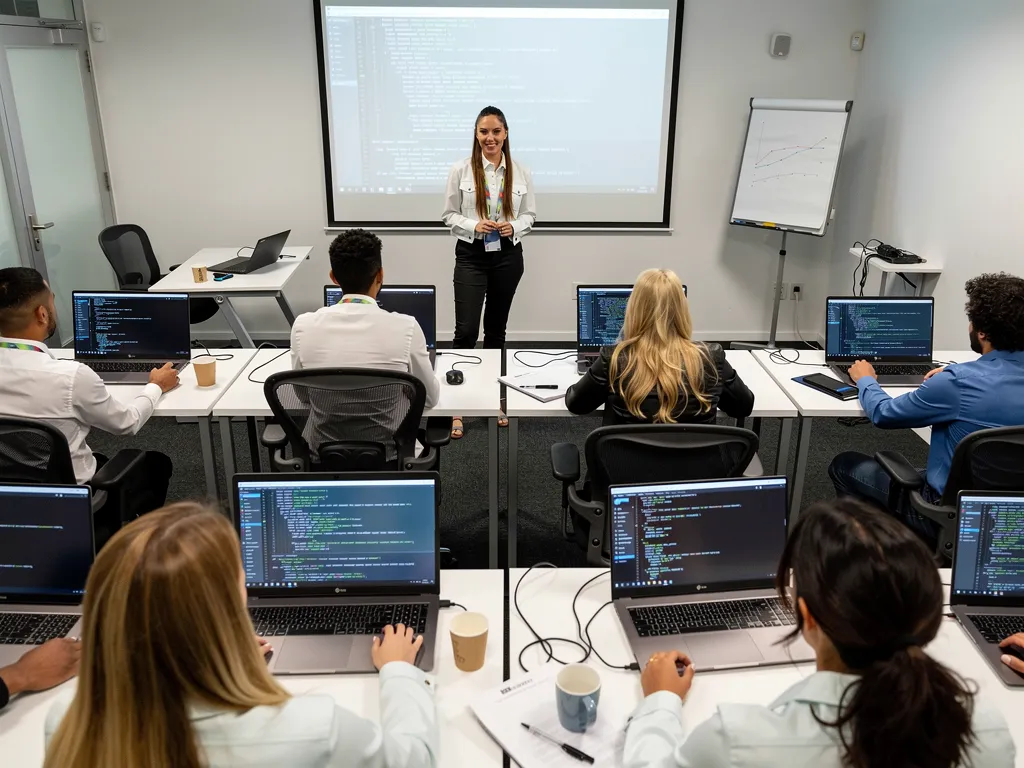
Most coding bootcamps fail jobseekers for reasons that trace back to how they’re built, not just what they teach. A rushed, compressed curriculum leaves graduates with surface-level skills instead of real project experience, and large cohorts of 25-30 attendees per class mean instructors can’t give individual candidates the attention needed to close skill gaps, while many programs mix live instruction with pre-recorded sessions, limiting how much a struggling candidate can ask, clarify, and practice in real time. The result: a certificate that doesn’t translate into interviews, let alone offers. We built JOPP specifically to close those gaps — 30% of JOPP candidates previously attended another bootcamp without landing a job. Here’s what changes:
- 100% live sessions. Every upskilling and project session runs live with trainers, not a mix of live and recorded content.
- Small batches. Capped class sizes mean more time for questions and one-on-one clarification.
- Real project work, not embellished resumes. JOPP is built on genuine, in-depth project experience rather than a rushed curriculum.
- A real employer network. Candidates connect to our established client database instead of a generic listings site, with placements across the Fortune 500 and beyond.
That structural difference shows up directly in outcomes: JOPP graduates have gone on to secure roles at major employers, with starting salaries that consistently outperform a typical bootcamp certificate alone. We also compare SynergisticIT’s ROI to what a traditional college degree delivers.
Tech Layoffs and Entry-Level Jobs: Why Bootcamp Value Is Changing
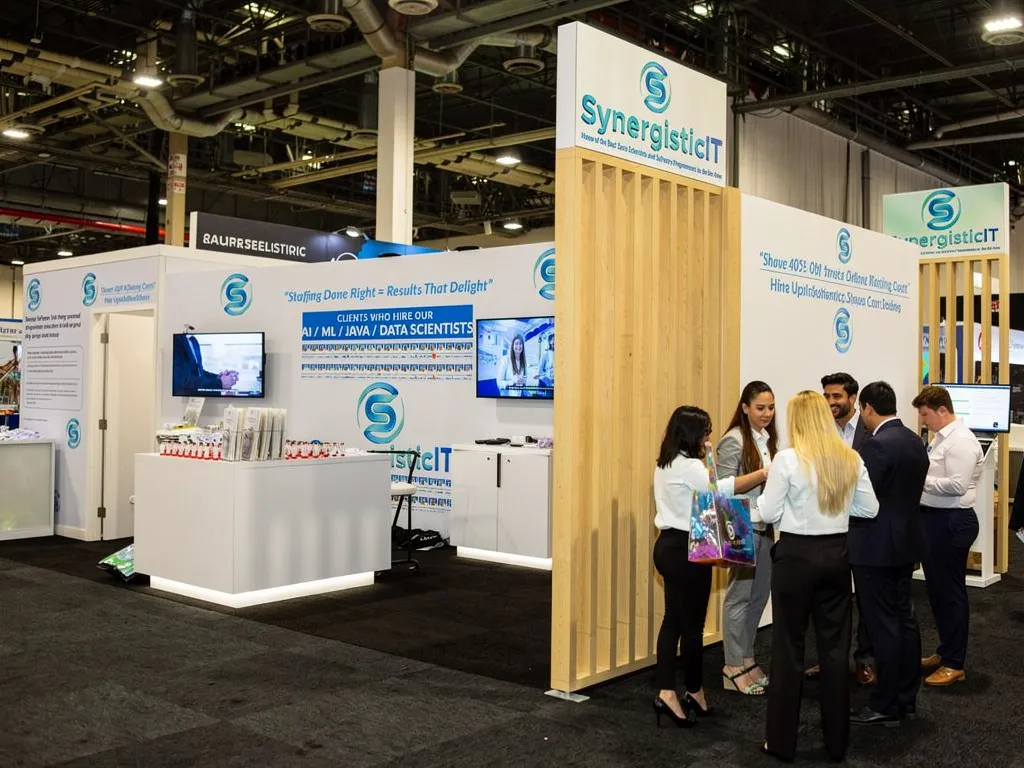
Widespread tech layoffs have tightened hiring at exactly the level most bootcamps sell into: entry-level developer roles. Companies trim headcount and grow less willing to take a chance on candidates who bring a certificate and no real project history, and openings that once welcomed junior applicants increasingly ask for 2-5 years of experience — a fast, entry-level credential now competes for a shrinking pool of openings. Most bootcamps still graduate jobseekers at that same entry level: a short curriculum, a certificate, and a generic list of openings. We built JOPP to produce something different: because candidates work through live, turnkey projects handled start to finish, they leave able to compete for roles that call for two to five years of hands-on experience, not just the entry-level postings that are disappearing. Most bootcamps stop at the certificate; JOPP stays connected through interview prep, employer introductions, and placement.
Why AI Adoption Is Driving Tech Layoffs — and How to Stay Ahead
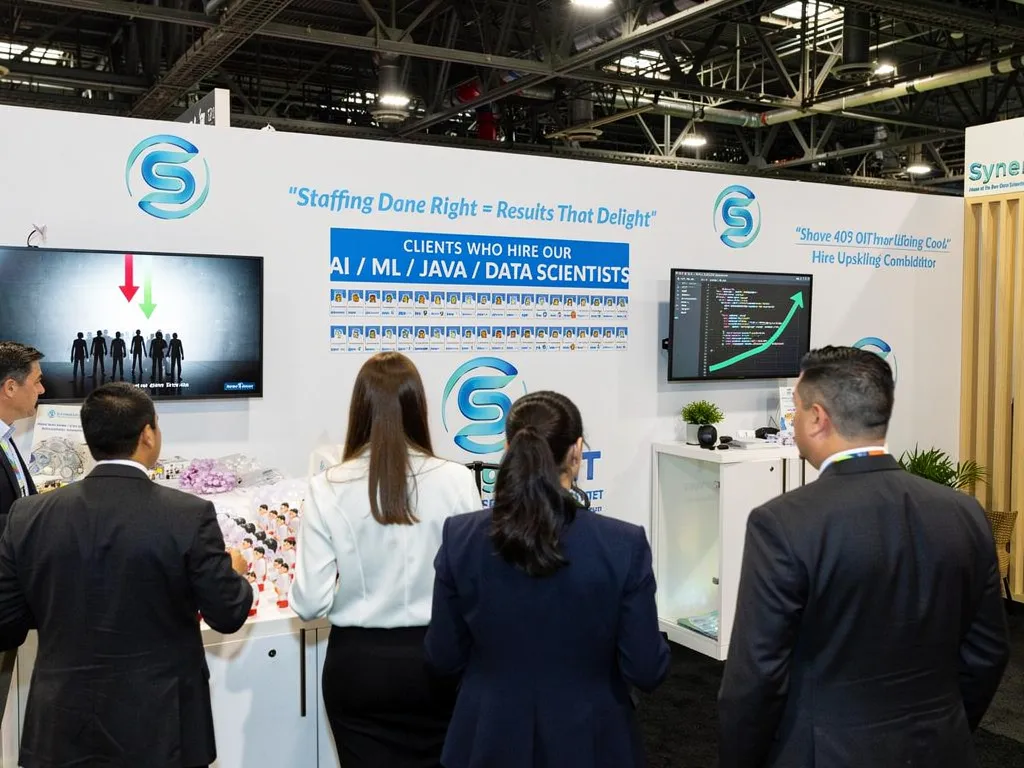
Two forces sit behind the current wave of tech layoffs, and both trace back to AI. Some employees lose their jobs because their skills fall behind what the market now demands, having trained on frameworks AI adoption has since displaced, while others lose their jobs because their employer couldn’t adapt fast enough to the shift AI triggered. Employers today aren’t just comparing resumes against a job description; they’re comparing candidates against each other in a much smaller pool of openings, and the ones who clear that bar are the ones whose skills are current. The solution isn’t complicated, even if it’s demanding: upskill to the latest in-demand technologies so you enter the market better prepared.
How JOPP Keeps Candidates’ Skills, Projects, and Certifications Current
We built JOPP around this exact problem. Rather than teaching a fixed curriculum and hoping it stays relevant, we structure training, project work, and certification prep around what employers are actually hiring for right now, so candidates enter interviews able to demonstrate skills employers want today, not skills that were current when they enrolled.
- Curriculum that tracks the market. JOPP covers Core and Advanced Java, Spring Boot, Microservices, DevOps, data structures and algorithms, and cloud technologies, alongside AI, machine learning, and data science tracks.
- Real, current project work. Candidates build hands-on experience through live, turnkey projects handled start to finish, the same way we run actual client engagements.
- Industry-recognized certifications. JOPP includes preparation for Java certification from Oracle and AWS DevOps Professional certification from Amazon.
- Data science and AI/ML certifications. For candidates on that track, JOPP prepares for the Microsoft Azure Data Scientist Associate, Azure Data Engineer Associate, Databricks Certified Data Analyst, Snowflake, Microsoft Power BI Data Analyst, and Tableau certifications.
- Continuous alignment with employer demand. Because we operate as a staffing company as well as a training provider, we hear directly from hiring companies about which skills matter now and feed that back into what we teach.
Bootcamps vs. JOPP: What Actually Differs
Coding bootcamps are under pressure because they sell short training into a junior hiring market that has shrunk — not because skills training stopped working. JOPP is built as training plus staffing, not a certificate-and-job-board model. Here’s where the two actually diverge:
- Bootcamps train; JOPP places. Most programs stop at instruction and leave graduates to apply alone. JOPP is a staffing-backed Job Placement Program, so our incentive is a hire, not just tuition.
- Twelve-week surveys produce shallow skills. Typical bootcamps run about 6–28 weeks (often ~14) and cover syntax more than production work. Employers now want practical depth in Java, Spring Boot, microservices, frontend, databases, DevOps, and cloud — the stack JOPP is built around.
- Big cohorts hide weak students. Many bootcamps run 25–30 people per class, so gaps never get closed. JOPP caps classes at about 5–7 candidates so instructors can fix those gaps before interviews.
- Recorded content doesn’t survive interviews. Mixed live/recorded formats limit questions and practice. JOPP runs 100% live sessions so candidates can be drilled in real time.
- A certificate isn’t a pipeline. Graduates are often sent to generic listings sites. JOPP markets resumes, taps an established client network of 24,000+ contacts, and schedules interviews instead of ending at graduation.
- Entry-level roles are the bottleneck. Layoffs and tighter junior hiring mean many postings now ask for 2–5 years of hands-on work. Bootcamps still graduate “entry-level certificate” candidates; JOPP uses start-to-finish turnkey projects so enrollees can compete above that junior bar.
- AI made “learn to code” weaker on its own. Generative AI can now handle much of the basic programming bootcamps taught, which is one reason operators such as 2U shut programs and said long-form bootcamp training no longer matches market demand. JOPP updates curriculum, projects, and certifications — Oracle Java, AWS, and data/AI credentials on relevant tracks — around what employers are screening for now.
- Interview readiness is often missing. Many bootcamp grads can’t pass technical screens even after finishing the syllabus. JOPP adds mock interviews, DSA/problem-solving prep, and resume alignment after about 80% of training, so skill gaps surface before the real loop.
- The market is saturated with lookalike graduates. Closures at 2U’s university partnerships, Epicodus, and others, alongside job searches now stretching 3–6 months, show the supply of similar portfolios has outrun junior demand. About 30% of JOPP candidates already tried another bootcamp, Udemy, Coursera, or a university program and still didn’t get hired before coming to a staffing-first model instead.
- Published outcomes favor a placement model — with a caveat. Independent roundups still put many bootcamps around 71–79% in-field jobs within six months. Our own pages report 91.5% to 97.4% placement rates, hires in roughly 6–10 weeks after training, salaries often in the $95k–$155k range, and client names including Visa, PayPal, Apple, Cisco, and Bank of America.
The useful contrast isn’t “bootcamps never work.” It’s that a short, large-cohort, training-only product is a poor fit for today’s junior hiring market, while JOPP’s model pairs a smaller live class and real project work with recruiters who keep working until there’s an offer.
What Makes SynergisticIT’s Training Program Different?
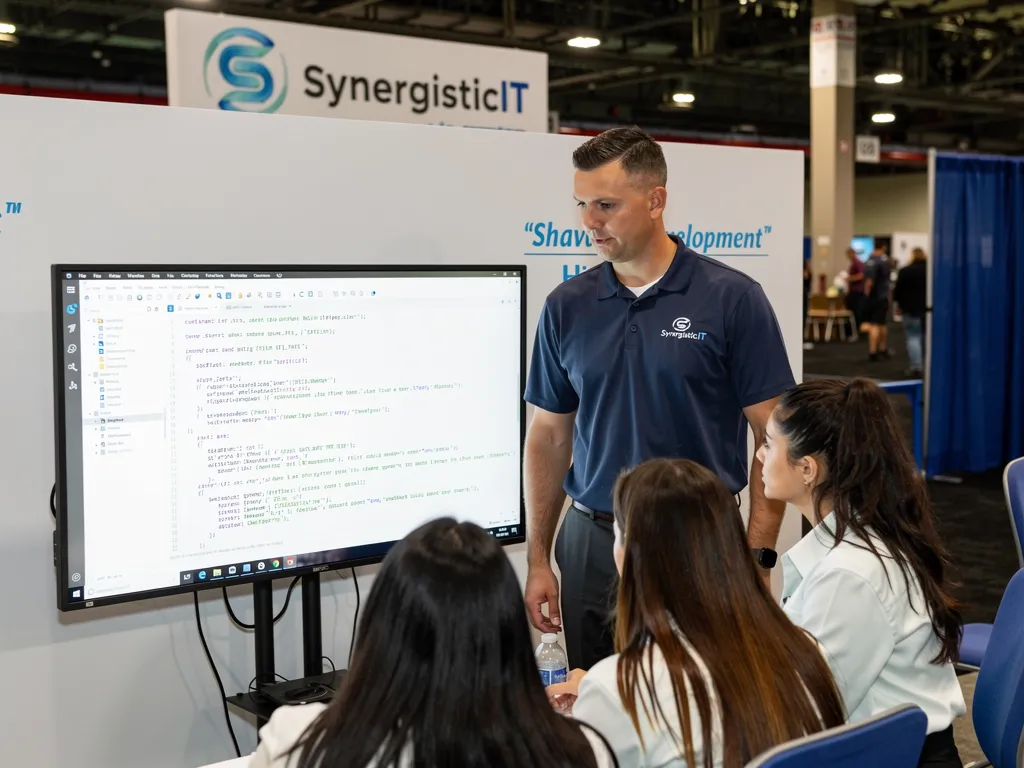
SynergisticIT built one of the most thorough IT upskilling programs in the industry — depth that changes the odds for career changers weighing whether bootcamps are worth it. Several top search results for bootcamp comparisons come from bootcamp providers themselves, not neutral reviewers, so we designed our program favoring transparency over marketing polish. Class size drives most of the difference — we cap every class at 7 candidates.
Why does class size matter for a coding bootcamp cost, ROI, job placement guide?
Smaller classes mean fewer candidates competing for instructor time during the exact moments when skill gaps need closing. When evaluating cost, ROI, and job placement outcomes, the quality of instruction during training often determines whether the investment pays off.
Who actually teaches at SynergisticIT?
Our instructors are extremely passionate about their field and genuinely excited to share knowledge with clients and candidates alike — not a group of contractors reading from a script. They bring hands-on industry experience into every session, shaping how candidates learn to solve real problems rather than memorize syntax.
What Is the Real ROI of Tech Training?

Real return on investment measures earnings growth against training expense, not just a diploma on a wall. Bootcamp graduates report competitive starting salaries relative to program tuition, but that math looks appealing on paper only when program quality, curriculum depth, and what happens after graduation day back it up. For more than a decade, SynergisticIT has applied leading-edge technologies to strengthen businesses of every size, from small startups to large-scale enterprises, backing thousands of IT project requirements spanning custom application development, cloud integration, and infrastructure support — experience that shapes how we train candidates.
How Should Candidates Actually Calculate Bootcamp ROI?
We recommend weighing these factors before enrolling:
- Verified starting salary ranges for recent graduates, not projected averages
- Curriculum depth in in-demand skills like Java and enterprise-grade development
- Structured job placement support extending beyond a certificate ceremony
- Program history working with established, hiring-active companies
Does Program Reputation Affect Placement Outcomes?
Reputation matters because employers hire based on trust in a program’s track record — programs with over a decade of enterprise partnerships carry more weight with hiring managers than newer, unproven bootcamps. ROI depends less on tuition size and more on what a program does after training ends.
How Do You Get Started With SynergisticIT?
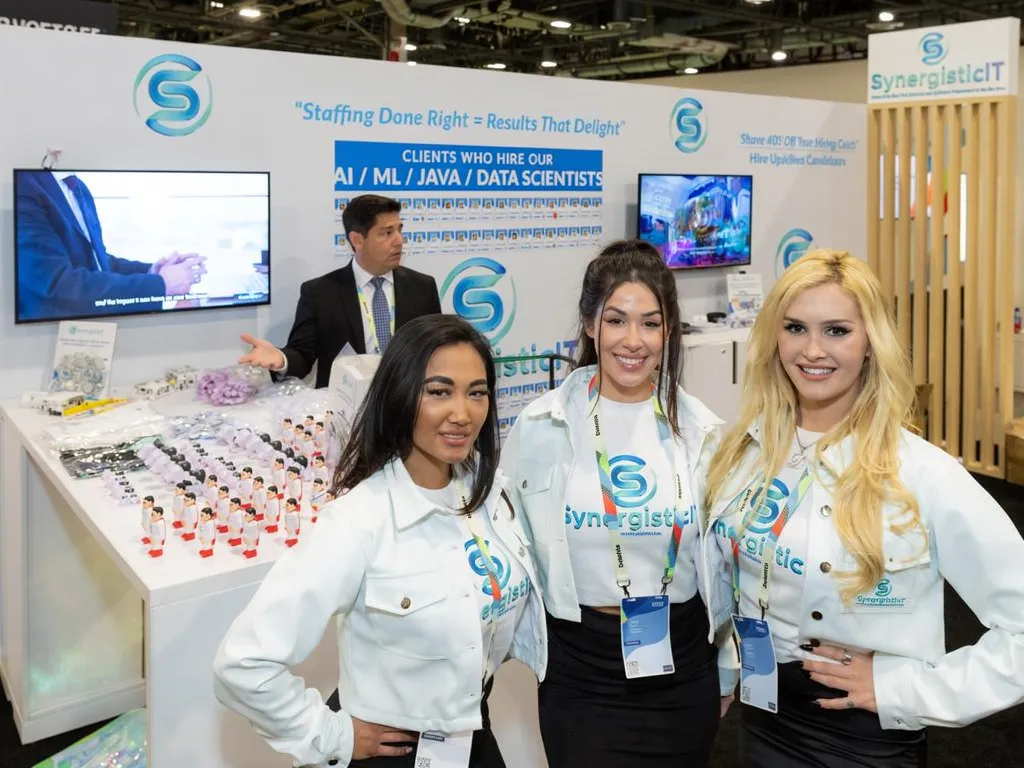
Getting started begins with a conversation about your background and career goals. We built our organization around making connections between talent and opportunity, and that mission shapes every step of onboarding.
What Makes SynergisticIT Different From a Typical Bootcamp?
We position ourselves as a preferred technology support partner for building all-around software solutions, not just a training vendor. Our resources extend beyond a classroom into scalable software development and staffing work for actual client engagements.
How Does the Process Work Once You Apply?
Our approach typically unfolds through:
- Initial assessment — we evaluate your current skills and career direction
- Skill alignment — training maps to the fast-moving digital demands companies face today
- Staffing integration — you become part of our scalable resource pool for client projects
- Ongoing support — our team stays connected as your placement progresses
Ready to Find Out If a Coding Bootcamp Is Worth It for You?
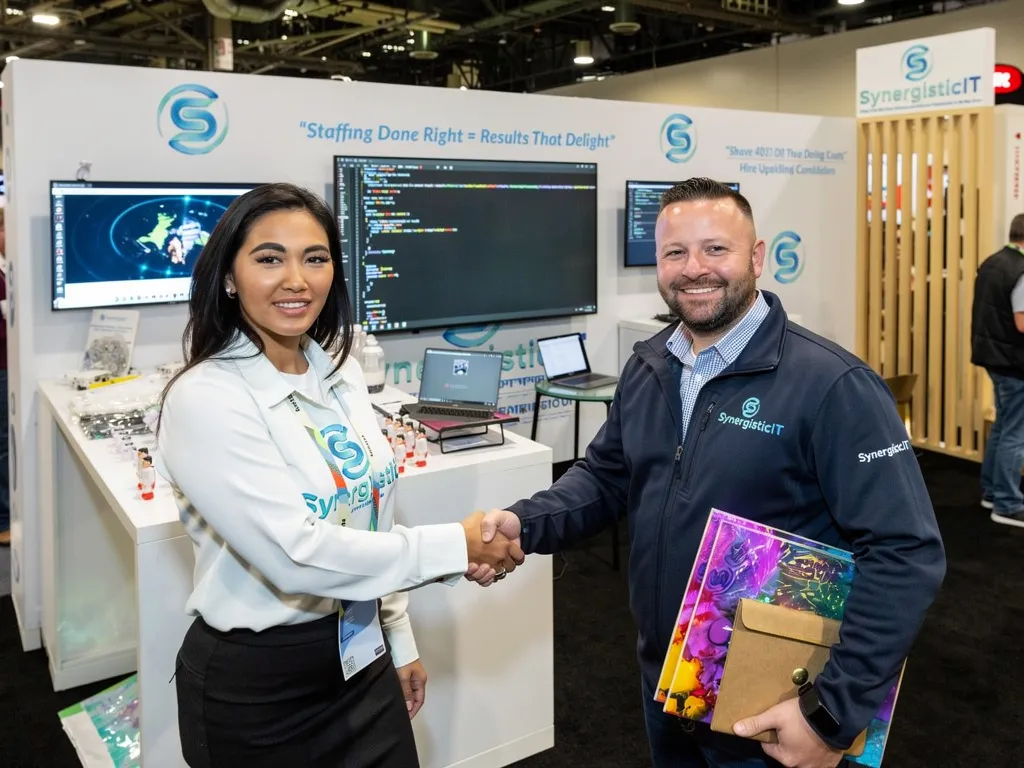
If you’re weighing the cost, ROI, and job placement outcomes covered in this guide, the next step is a real conversation about your background and career goals — not another generic curriculum pitch. Get in touch with SynergisticIT to see how our staffing-backed training and placement model can work for you.
Frequently Asked Questions
Are coding bootcamps worth it?
Yes, for most career changers willing to invest in tuition and actively job search after graduation. Bootcamps cost a fraction of a traditional four-year computer science degree and take far less time, but the real return depends on what happens after training ends — rigorous curriculum, employer connections, and dedicated job placement support matter more than program length or price alone.
How much does a coding bootcamp cost compared to a college degree?
Coding bootcamp tuition varies by provider and format, but it typically represents a fraction of the cost of a traditional four-year computer science degree, and takes weeks instead of years. Programs generally run 6 to 28 weeks, averaging around 14 weeks, compared to four years for a degree.
What makes SynergisticIT different from a typical coding bootcamp?
SynergisticIT operates as a combined staffing company and job placement program provider, not a standalone bootcamp. Classes are capped at 7 candidates for individual attention, sessions run 100% live, and candidates connect to an established employer network instead of a generic listings site — so training leads directly into staffing and placement.
Who should consider this kind of career-change training?
Career changers with no computer science background, recent graduates who want hands-on skills, and self-taught coders seeking structure and placement support all fit this path well. Training focuses on Java, J2EE, Full Stack development, and Data Science/ML/AI, so candidates build job-ready depth instead of a shallow survey of many languages.
How does the job placement process work?
The process starts with listening to a candidate’s background and goals, then customizes the training path, assigns turnkey project work handled start to finish like a real client engagement, and finishes with dedicated interview preparation, including mock interviews and technical prep — moving candidates from training into real employer conversations.
Conclusion
In closing, coding bootcamps deliver genuine value only when candidates scrutinize curriculum depth, mentorship quality, and true placement outcomes rather than marketing promises. Cost and ROI hinge on the rigor behind the training and the strength of employer relationships supporting graduates afterward. At SynergisticIT, we build our reputation on this distinction, pairing IT skill enhancement with a job placement program designed to connect trained talent directly with tech startups and Fortune 500 companies, ensuring the investment translates into a lasting career.