 Important Notice— Our url is


Career growth in tech depends most on the path you build your skills through. SynergisticIT, founded in 2010 in Fremont, California, prepares candidates through its job placement program to work directly with major tech clients like Google, Apple, and Intel—rivaling consulting, startup, or big tech routes with real Java and Data Science expertise. Consulting firms like McKinsey, BCG, and Bain sharpen strategy and client skills, startups build broad hands-on ownership, and big tech companies such as Google, Apple, and Amazon offer scale and structured growth; we prepare candidates through upskilling for placement across all three environments.
What Criteria Matter When Comparing Tech Careers?
Four factors decide a sound tech career path comparison: work culture, career trajectory, role scope, and long-term stability. At SynergisticIT, we guide candidates through this exact consulting vs startup vs big tech decision every day, weighing each path against the same measurable criteria. Work culture separates the paths first: a tech consulting career rewards client-facing polish and travel-heavy schedules, while working in big tech vs startup environments tests engineering depth, product ownership, and comfort with ambiguity that shifts by company size.
Which Criterion Matters Most for Software Engineers?
Software engineer career options hinge most heavily on role scope and skill development speed; engineers weighing startups against established technology companies should prioritize the depth of technical mentorship available at each stage. We take deliberate time to understand each candidate’s background before pointing toward any single track—that people-centric review, not a generic checklist, shapes guidance built around individual strengths.
What Does a Career in Tech Consulting Look Like?

Tech consulting careers center on solving strategic, technical problems for large organizations rather than building one company’s product from the inside. Top-tier firms such as McKinsey, BCG, and Bain set the benchmark for what “consulting” means at the highest level. At SynergisticIT, we approach the tech consulting career question from a builder’s perspective: our upskilling curriculum covers custom application development, technology upgrades, data management, cloud integration, and infrastructure support, so candidates arrive at project-based work with hands-on engineering skills already in place—built entirely through hands-on training, not through consulting engagements of our own.
Is consulting a good fit for engineers exploring career options?
Engineers weighing software engineer career options often find consulting rewarding when they enjoy rotating between clients, industries, and problem types. Training that builds broad, hands-on technical range—the kind we emphasize in our curriculum—offers similar variety without requiring a full pivot away from technical execution toward pure strategy work.
What skills matter most in tech consulting?
Client-facing tech roles reward professionals who can translate business requirements into working systems quickly. Strength across custom development, cloud integration, and infrastructure support positions candidates for the project diversity that defines this consulting vs startup vs big tech decision—competencies we prioritize when preparing candidates for placement, alongside working in big tech vs startup paths and startup vs big tech salary and stability.
Risks of Choosing a Tech Consulting Career
Consulting’s client-facing variety comes with tradeoffs worth weighing before committing to the path—as SynergisticIT’s analysis of jobseekers and consulting or staffing companies points out, the model that benefits firms isn’t always the one that best serves the candidate’s technical growth.
- Up-or-out promotion structures push consultants toward Partner on a fixed 10–12 year timeline, and fewer than 10% make it, leaving many to exit the track entirely.
- Heavy travel and client-driven schedules often run 55–70 hours a week, leaving little room for the deep, focused engineering time that builds lasting technical skill.
- Consultants hand off strategy at the end of an engagement rather than owning outcomes, so the hands-on production experience that big tech and startups provide is harder to come by.
- Staffing and consulting arrangements can prioritize billable hours and client turnover over an individual’s long-term skill development, a dynamic worth scrutinizing before signing on.
- Generalist project cycles build breadth quickly but can dilute the deep technical fluency employers expect when a consultant later tries to move into a core engineering role.
How Does Working in Big Tech Compare to Consulting?

Big tech companies build and ship products; consulting firms advise clients on strategy—a single distinction that shapes nearly every other difference between the two paths. Tech organizations measure success by shipped features, user growth, and customer retention rather than client recommendations delivered in a slide deck, as noted in reporting on management consulting vs tech career paths. Engineers, data scientists, and product teams own outcomes directly, while consultants hand off strategy and move to the next engagement; big tech rewards sustained technical depth, while consulting rewards breadth across industries.
Do consulting and big tech skills overlap?
Overlap runs deeper than most job seekers assume: Alphabet, Amazon, Microsoft, and Meta employ more former MBB consultants than any other companies, showing strategic thinking transfers well into technical organizations. That said, transferring into big tech still requires hands-on technical fluency that most consulting roles never build.
Which path fits a technical career better?
A tech career path comparison favors big tech for candidates who want to write code, build systems, and see their work in production. We place candidates with major technology employers, including Google, Apple, and Intel, giving job seekers direct entry into the big tech environment rather than a generalist consulting track—focused on software engineer career options built for long-term technical growth, not short-term certificates.
What’s It Like Working at a Startup vs Big Tech?

Big tech companies run on structured evaluation cycles, while startups reward ownership and speed. Formal performance calibrations define much of daily life inside large tech organizations—one engineer at a major ride-share company earned recognition as highly productive precisely because of these structured reviews, with managers openly discussing his contributions and product instincts. Startups offer a different reward: after six years inside a large tech company, that same engineer left to cofound his own startup; two and a half years later, he’s still running it, and it recently launched its public beta—illustrating the real tradeoffs behind startup vs big tech salary and stability, where startups compress timelines, increase risk, and shorten the distance between an idea and a shipped product.
Which Path Suits a First-Time Job Seeker Better?
Candidates weighing consulting vs startup vs big tech should consider how much feedback structure they need early in their careers. Big tech offers calibration cycles and mentorship layers; startups offer faster ownership with less formal guidance.
Do Core Technical Skills Transfer Between Startups and Big Tech?
Yes. Our seminars concentrate on Java, J2EE, and Full Stack development—skills employers value whether they’re scaling a startup or maintaining enterprise systems at a tech consulting career or software firm. We pair this technical training with mock interviews, so candidates entering either environment understand the software engineer career options available to them.
How Do Startup vs Big Tech Salary and Stability Compare?
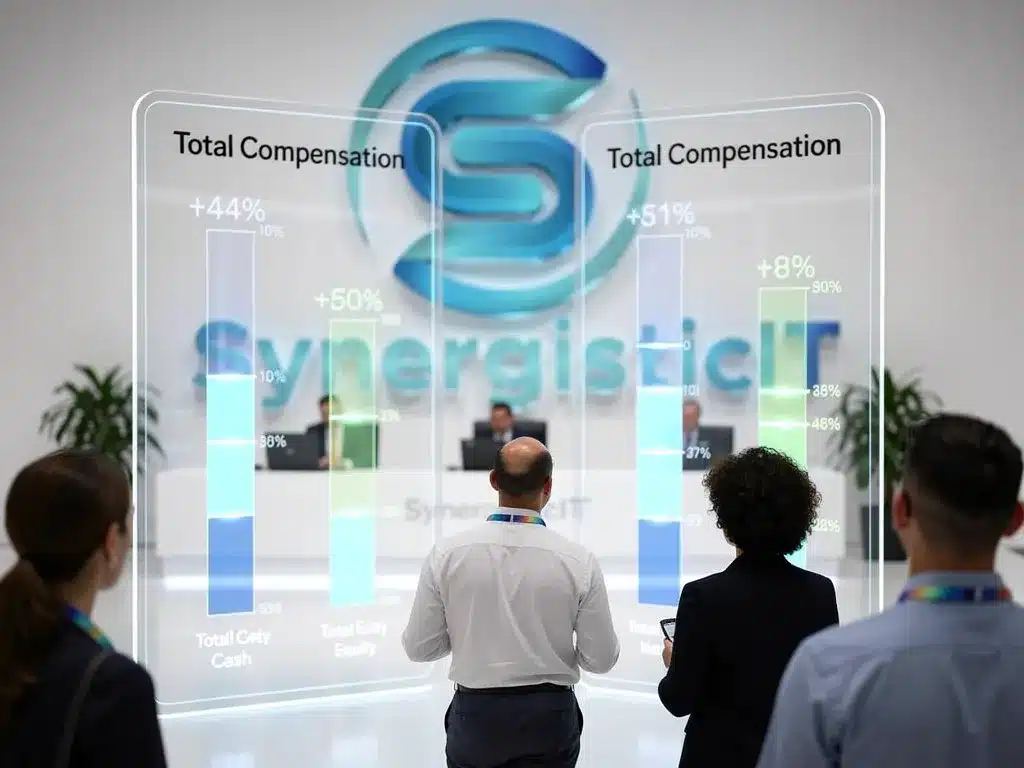
Startup vs big tech salary and stability hinges on one factor most candidates underweight: equity value at the offer stage. A McKinsey offer and a Big Tech offer once looked comparable, but once stock compensation entered the equation, the tech package outweighed the consulting one—reshaping how we advise candidates evaluating a tech career path comparison across employer types. Pay parity between the two tracks has narrowed considerably, evidence that compensation alone cannot guide a sound career choice; stability and skill development matter just as much.
Which path offers more stability, a startup or an established tech employer?
Stability depends less on company size and more on how a candidate enters the field. SynergisticIT builds scalable software development solutions and staffing resources specifically to help professionals navigate this fast-moving digital landscape with a dependable route into the industry. Since our founding in 2010, we have built a recognized position across software development, IT staffing, and skill enhancement—a track record reflecting long-term reliability for the candidates we place.
What should candidates weigh before choosing a track?
Candidates weighing working in big tech vs startup environments should treat equity value, not headline salary, as the deciding variable—a disciplined software engineer career options review, paired with staffing support built for consistency, reduces the guesswork.
Which Software Engineer Career Options Fit Your Goals?

Software engineer career options break down into three broad tracks—tech consulting, startup roles, and big tech employment—each demanding different strengths. We built our services around this decision point, spanning software development, technology upskill, and IT staffing, so candidates can match their goals to the right track from day one rather than being pushed toward one path. Some professionals thrive on variety and client exposure, pointing toward a tech consulting career; others want ownership and speed, favoring a startup; a third group values structure, scale, and depth, favoring big tech.
How does SynergisticIT prepare engineers for different tech tracks?
We emphasize imparting the right tech knowledge to tech aspirants through a skill enhancement program built around hands-on training, covering in-demand technologies so candidates arrive prepared for working in big tech vs startup environments alike, rather than being narrowly trained for one setting.
What makes a tech career path comparison useful before choosing?
A clear tech career path comparison forces engineers to weigh trade-offs honestly instead of chasing titles.
We apply next-level designs and an agile development approach ourselves, keeping candidates current no matter which software engineer career options and startup vs big tech salary and stability trade-offs they ultimately choose.
How Can SynergisticIT Prepare You for Any Path?
SynergisticIT builds readiness for consulting vs startup vs big tech before any interview happens. We designed our upskilling curriculum to remove the guesswork from a tech career path comparison, so candidates walk into any offer decision equipped rather than uncertain. A candidate weighing a tech consulting career against a fast-moving startup role or an established big tech employer needs more than surface-level training, and our curriculum covers the technical range required across environments.
Why does class size matter for job readiness?
Small cohorts change outcomes. SynergisticIT caps every class at seven candidates, so each person receives the individual attention needed to reach full readiness—letting our technicians correct gaps early rather than letting a candidate discover weaknesses during a live interview.
How do candidates build confidence before real interviews?
Confidence comes from repetition, not luck. We invest heavily in mock interviews and technical interview preparation, addressing both the coding assessments common in working in big tech vs startup hiring and the case-style questions consulting firms favor. Our IT technicians bring genuine passion to their field and share that knowledge openly throughout training, and clients who partner with SynergisticIT consistently note the dedication our candidates demonstrate—evidence that matters when evaluating startup vs big tech salary and stability, since employers reward sustained commitment over polish alone.
Which Career Path Should You Choose?

No single path wins for every candidate weighing consulting vs startup vs big tech. The right answer depends on risk tolerance, desired pace, and long-term goals, not on which option sounds most prestigious. As MBB Prep’s coaching example illustrates, deciding between offers deserves real thought rather than a default choice—a candidate might hold competing offers side by side and still choose the path that fits their goals over the one with the biggest number attached.
How do I know if consulting, startup, or big tech fits me?
Match the environment to how you want to grow. A tech consulting career rewards those who thrive on variety and client exposure; startups suit candidates comfortable with ambiguity and fast iteration; big tech offers structure and scale for those prioritizing stability. We operate as a staffing and job placement provider uniquely positioned to guide candidates across all three routes. Our job placement program, built to outperform common coding bootcamps, gives candidates a real edge entering their chosen environment prepared and competitive.
20 Decision Points for a Long-Term Tech Career

No single path is best for every tech job seeker. For a long-term, rewarding career, Big Tech usually wins first for pay, brand, and skill standards; a growth-stage startup later adds ownership; consulting is strongest if you want business breadth and executive exits rather than deep product-building.
- Early pay favors Big Tech: undergrad consulting often starts around $112K–$140K, while Big Tech software offers commonly land near $185K–$285K total in year one.
- Consulting cash is more predictable. MBB pay is mostly salary plus bonus; Big Tech and startups lean on stock that can rise or fall with the market.
- Mid-level engineers usually make more in Big Tech. At L4–L5, guaranteed Big Tech pay often beats startups by $40K–$120K a year.
- Senior pay can converge. Firms like Stripe or Databricks, and some AI labs, now match or beat FAANG at L6+, so money alone is a weaker reason to stay.
- Startup equity is usually a lottery ticket. About 65% of seed startups fail before Series A, and only a small share return meaningful money after tax.
- Big Tech RSUs are closer to cash. Public stock vests into shares you can sell; startup options can expire if you can’t pay the 90-day exercise bill.
- Lifestyle is usually better in Big Tech. Consulting often runs 55–70 hours plus travel; Big Tech more often sits at 45–55 hours with hybrid or remote options.
- Startups can be as intense as consulting. Shipping weekly while covering on-call, infra, and product at once burns people out without a sustainable pace.
- Consulting builds breadth: structured problem-solving, executive communication, and many industries in short project cycles.
- Big Tech builds depth and standards—design docs, code review, and systems serving huge user bases.
- Startups build range and ownership. One engineer may own backend, deploys, on-call, and customer issues, powerful when a senior mentor is present.
- Mentorship matters more than company type. A strong CTO at a tiny startup can teach faster than a huge company; no senior engineer can lock in weak habits.
- Resume brand still compounds. Google, Meta, McKinsey, or a well-known startup opens later interviews; an unknown failed Series A often does not.
- Job risk looks different, not zero. Consulting uses up-or-out; Big Tech has mass layoffs; startups can disappear, though Big Tech often pays more severance.
- Promotion rules change your stress. Consulting is a 10–12 year ladder to Partner with fewer than 10% making it; Big Tech lets you stay a high-paid IC.
- Exit doors are not the same. Consulting feeds corporate strategy, PE/VC, and general management; tech experience feeds product leadership and founding roles.
- Entrepreneurship is easier after building. Consultants learn markets and networks; engineers and PMs from tech more often have the skills investors want.
- Immigration and family tilt toward Big Tech. H-1B sponsorship, mortgages, and dependents are usually easier to support with large-company cash and process.
- Switching is easier from consulting into tech than the reverse. Former MBB talent commonly lands PM or strategy roles; a senior engineer entering consulting often takes a lower title.
- The highest-value long-term pattern is mixed: 2–4 years in Big Tech for fundamentals, then 2–5 years at one well-chosen startup for ownership; consulting is the better first move if you want business optionality over deep technical craft.
Pick Big Tech if you want a rewarding, durable tech career with pay, mentorship, and later optionality. Pick a growth-stage startup if you already have a quality bar and want ownership. Pick consulting if your long-term reward is leadership across industries, not shipping software.
Conclusion
In closing, consulting, startups, and big tech each offer distinct paths toward building a rewarding technology career, and the right choice depends on your priorities around growth, stability, and exposure. What matters most is entering any of these environments equipped with strong technical skills and real-world readiness. SynergisticIT remains committed to a people-centric approach, understanding each candidate’s aspirations and providing tailored upskilling and placement support that prepares professionals to thrive, whether they pursue consulting engagements, startup innovation, or opportunities within established technology enterprises.
Ready to Build a Career That Lasts?
Whether you’re weighing a consulting offer, a startup opportunity, or a shot at big tech, the right preparation matters more than the label on your resume. SynergisticIT’s job placement program pairs hands-on technical upskilling with real interview readiness, helping candidates walk into any of these paths equipped rather than uncertain. Visit SynergisticIT to learn how our people-centric approach can help you get there.
Frequently Asked Questions
What is the main difference between consulting, startup, and big tech careers?
Consulting firms like McKinsey, BCG, and Bain emphasize client strategy and communication across many industries; startups reward broad, fast-cycle ownership where one person may handle backend, deploys, and customer issues; and big tech companies such as Google, Apple, and Amazon offer deep technical execution within structured, leveled career paths.
Which pays more, a startup or a big tech company?
It depends on equity value, not just base salary. Mid-level engineers usually earn more guaranteed pay at big tech, while startup compensation is often equity-heavy and carries more variance and upside risk. Senior-level pay can converge, with some well-funded startups matching or beating big tech offers.
Is tech consulting a good fit for someone who wants to keep coding long-term?
Consulting suits engineers who enjoy rotating between clients and industries more than those who want sustained, hands-on technical depth. Consultants typically hand off strategy at the end of an engagement rather than owning production systems, so candidates prioritizing deep engineering work often find better fits in startups or big tech.
How does SynergisticIT help candidates choose between these career paths?
SynergisticIT prepares candidates through a hands-on upskilling curriculum covering Java, J2EE, and Full Stack development, paired with mock interviews and small class sizes capped at seven candidates. This people-centric approach reviews each candidate’s background individually before pointing them toward consulting, startup, or big tech placement.
Should a first-time job seeker choose big tech or a startup?
It depends on how much feedback structure a candidate needs early on. Big tech offers calibration cycles and mentorship layers that suit those who want structured growth, while startups offer faster ownership with less formal guidance for candidates comfortable with ambiguity.
Conclusion
Consulting, a startup, or big tech is not the career decision that lasts. What you gain on the job—skills, judgment, and a track record—matters more than the logo on your offer.
What the job actually builds:
- Skills you can prove. Employers hire people who shipped work, not people who collected brand names. Code, data, systems, client delivery, and ownership transfer better than a company type.
- Problems you learn to solve. Hard tickets, messy data, production issues, and real users teach faster than a prestige title. The work itself is the training.
- People who raise your bar. A strong manager, sharp teammates, and honest feedback compound. Weak coaching in a famous company still leaves you stuck.
- A story you can defend in interviews. “I owned X, improved Y, and learned Z” beats “I worked at a consulting firm / startup / FAANG.” Hiring managers buy outcomes.
- Stability over a spike in pay. Do not let a high salary be the whole decision. A lower offer with steady employment, real learning, and room to grow usually beats a bigger check in a shaky seat.
Choose the role where you will do harder work, keep the job long enough to finish it, and leave with skills you did not have on day one. SynergisticIT remains committed to a people-centric approach, understanding each candidate’s aspirations and providing tailored upskilling and placement support that prepares professionals to thrive, whether they pursue consulting engagements, startup innovation, or opportunities within established technology enterprises.