 Important Notice— Our url is


DHS has proposed a new STEM OPT application fee as part of its broader review of proposed OPT fees, though the final pricing structure has not yet been published; contact the brand directly for the latest details. This change comes under new F1 visa regulations, impacting international graduates seeking 24-month extensions. SynergisticIT, headquartered in Fremont, California, guides candidates through these evolving STEM OPT rules, helping them secure placements with top employers like Google, Apple, and Intel.
Proposed OPT fee changes remain under federal review, with no finalized rule published beyond DHS’s July 17, 2026 fixed-admission-period regulation affecting F-1 students. STEM OPT continues granting up to 24 additional months for qualifying degrees. We advise F-1 candidates, DSOs, and employers to monitor Federal Register updates and confirm compliance details directly through official USCIS channels before filing petitions.
New OPT Fees – The Full Facts
The proposed new fees for Optional Practical Training (OPT) are not currently in effect, and you are not required to pay them at this time. The Department of Homeland Security (DHS) has proposed that schools pay $70,000 for the initial OPT recommendation and $30,000 for each subsequent recommendation, including those for STEM OPT. (Optional Practical Training Fees, 2026) However, this proposal has not been implemented. A separate rule affecting the OPT process took effect on September 15, 2026.
Fee Structure and Payment Responsibility
The Department of Homeland Security announced the proposal on October 7, 2026. It will be published in the Federal Register on October 8, 2026, initiating a 30-day public comment period.
According to the proposal, a standard case involving 12 months of post-completion OPT and a 24-month STEM extension would result in a total fee of $100,000: $70,000 for the initial recommendation and $30,000 for the extension. (Optional Practical Training Fees, 2026)
The SEVP-certified school would be legally responsible for paying the fee, not the student or USCIS. Before a Designated School Official (DSO) could enter the recommendation into SEVIS, the school would be required to pay and confirm the fee. USCIS would not issue work authorization unless the payment is confirmed.
The Department of Homeland Security has indicated that schools may recover the cost from students, employers, other funding sources, or through cost-sharing arrangements. In such cases, you may be asked to pay, but this decision would be made by the school or employer, not by USCIS.
A separate adjustment to USCIS inflation rates will take effect on October 16, 2026. This adjustment will not increase the standard Form I-765 fee for F-1 OPT or STEM OPT. Filing fees will remain approximately $470 for online submissions and $520 for paper submissions. (Optional Practical Training Fees, 2026)
Will It Start Immediately?
No, the proposed fees are not currently payable, and DHS does not guarantee that the final rule will match the current proposal.
If DHS keeps the draft timeline, the sequence is:
- It was published on October 8, 2026, with 30 days reserved for public comments.
- DHS will review public comments and may revise, delay, or withdraw the rule. Since there is no fixed deadline for finalization, this stage could extend over several months.
- The fee may only be imposed through a final rule. Under the proposal, implementation would begin 60 days after publication of the final rule.
- It would cover all OPT recommendations issued on or after that effective date, while those already issued would not be subject to retroactive application under the draft text.
If DHS proceeds without changes to the 60-day delay, the earliest possible implementation date would be sometime in 2027. However, this timeline could be postponed or halted due to court challenges or an extended comment review process.
Current OPT Rule in Effect
A separate rule is already in effect. Beginning September 15, 2026, new F-1 visas are issued for a fixed period rather than an open-ended “duration of status.” (Federal Register :: Self-Regulatory Organizations; Nasdaq GEMX, LLC; Notice of Filing and Immediate Effectiveness of Proposed Rule Change To Amend Review of Professional Orders, 2026) Students needing additional time for post-completion OPT or STEM OPT must generally file Form I-539, pay the required fee, and provide biometrics, unless a transition exception applies.
This exemption is currently significant for many students. If you were present in the United States on September 15, 2026, in valid F-1 status, admitted under a duration of status, and have not departed and reentered since that date, you must file Form I-765 on or before March 18, 2027, and before your existing EAD expires. In this scenario, you should not file Form I-539 for that OPT or STEM OPT period. If you depart and reenter on or after September 15, 2026, the exemption will no longer apply.
Under the new system, students are allowed 30 days to depart the program or the United States after OPT or STEM OPT ends, instead of the previous 60-day period. (Nonimmigrant Classes; F-1 Students; Optional Practical Training (OPT); STEM OPT Extension, 2025)
Ten Steps for STEM OPT Students
- Review your I-94 record. If it still indicates “duration of status” and you were present in the United States on September 15, 2026, you may qualify as part of the transition group.
- To retain the exemption from filing Form I-539, do not travel abroad until you have submitted the necessary forms. Any reentry on or after September 15, 2026, may require both Form I-765 and Form I-539.
- Verify your eligibility promptly by ensuring your degree is listed on the DHS STEM list, your job is directly related to that degree, and your employer participates in E-Verify.
- Complete Form I-983 with your employer and submit it to your DSO, who will then make a recommendation for STEM OPT in SEVIS.
- Within the standard STEM OPT application window, you must file no earlier than 90 days before your current OPT EAD expires, no later than 60 days after the DSO’s recommendation, and before your EAD expires. (STEM OPT Extension Application Process, 2024)
- Use the Form I-765 version dated September 15, 2026; earlier versions are not acceptable. You are only required to pay the current I-765 fee, not the proposed $70,000 or $30,000 amounts. If you are eligible for the transition exception, you must file Form I-765 by March 18, 2027; if you are not eligible, you should file Form I-539 at the same time, along with the required fee and biometrics, before your authorized period of stay expires.
- Contact your DSO in writing to determine whether the school will pay the future fee, decline the recommendation, or require payment from you or your employer. Make a similar inquiry with your employer.
- After submitting a timely STEM OPT application, continue working only under the conditions allowed by pending-extension rules, and comply with requirements regarding unemployment, reporting, and validation. Consult your DSO to confirm the 180-day pending-work rule, as the September 15 status rule has changed relevant procedures.
- Rely on the Federal Register for official updates rather than social media alerts. No new OPT participation fee will be required unless a final rule is issued and its effective date is established. If finalized as proposed, the fee would take effect 60 days after publication and apply to recommendations made on or after that date. (DEPARTMENT OF HOMELAND SECURITY, 2026)
- The public comment period has not yet begun. The proposed Optional Practical Training Fees rule is currently available for public inspection and will be published in the Federal Register on October 8, 2026.
Comment Period Deadlines
Detailed reports indicate that the primary public comment period will run from October 8 to November 9, 2026, totaling 30 days. Since 30 days after October 8 falls on a Saturday, the deadline is extended to the next business day, Monday, November 9. (Optional Practical Training Fees, 2026)
A second, longer comment period applies to the information collection section, which has a 60-day window. While some reports do not specify an end date, 60 days after October 8 would be December 7, 2026. However, this date has not been confirmed in the official notice. (Optional Practical Training Fees, 2026)
Some news reports suggest a 60-day public comment period before DHS can finalize the rule, which differs from the 30-day timeline in more detailed summaries. Treat November 9 as the primary deadline, but verify the DATES section of the official notice before taking action.
Comments are typically due by 11:59 p.m. Eastern Time on the deadline specified in the notice. The official source is the public-inspection copy of the Optional Practical Training Fees rule.
What Is OPT and Who Qualifies?
OPT authorizes temporary employment tied directly to an F-1 student’s declared major. We see this connection as the defining feature of the program: a computer science major, for example, cannot use OPT to take a role unrelated to that field of study. Qualification rests on maintaining valid F-1 status and keeping the job offer aligned with the academic program on record.
Students sometimes use a portion of OPT before graduation, known as pre-completion OPT, then wonder how much remains afterward.
Does using OPT before graduation reduce the time available after graduation?
Yes. Any pre-completion OPT a student uses gets subtracted from the post-completion OPT period available later. A student who works part time on pre-completion OPT during their final year effectively shortens the post-completion window. We encourage candidates to map out this trade-off early, since timing errors here can cost valuable employment authorization months.
Who typically benefits most from OPT within tech fields?
Candidates in Java development and data science roles frequently align well with OPT’s major-relevance requirement. These fields map cleanly to common STEM and computer science degrees. We built our skill enhancement programs around these two disciplines precisely because they intersect so often with F-1 students’ academic backgrounds.
Our approach stays people-centric. We take time to understand each candidate’s academic history, visa timeline, and career goals before offering any placement guidance. That means:
- Reviewing degree alignment against intended job duties
- Clarifying how much pre-completion OPT, if any, has already been used
- Planning the transition toward post-completion OPT or STEM OPT with realistic timelines
This groundwork matters because OPT eligibility errors are difficult to correct once employment has already started.
What Are the Proposed OPT Fees?
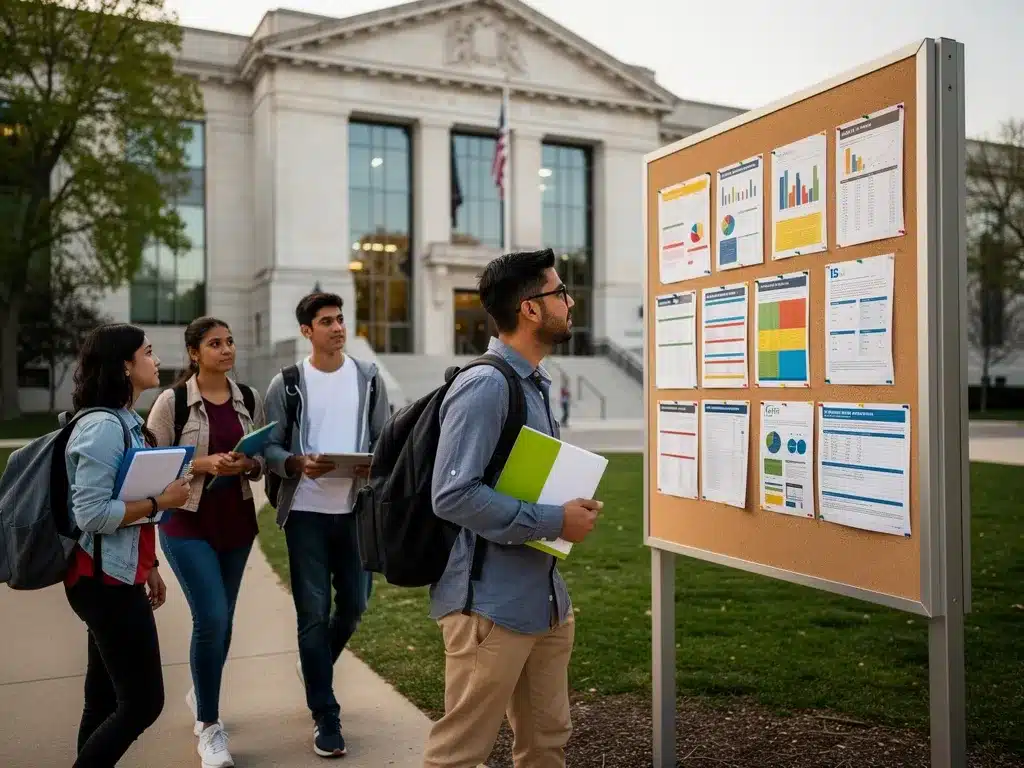
DHS has opened a formal rulemaking process that could attach new charges to both H-1B petitions and F-1 OPT applications. We track this closely because it touches every candidate we place and every employer we work with on sponsorship timelines. The Department of Homeland Security OPT fee proposal has not been finalized. The fact that it has cleared an initial regulatory review step signals real momentum behind it.
How much could the new OPT fee cost?
Media reporting has speculated about potentially steep fees attached to OPT applications under this F1 visa OPT cost proposal. We want to be direct: this number is unconfirmed and has not appeared in any published rule. Until DHS releases formal text, students and employers should treat this figure as a planning risk rather than a certainty.
What we know so far:
- DHS has sent a proposed OPT fee rule to the Office of Management and Budget for review.
- A related H-1B fee proposal cleared review around the same time.
- Neither proposal appeared on DHS’s most recent regulatory agenda before this review began.
- The full content of both proposed OPT fees will stay confidential until published in the Federal Register.
We built our staffing and placement model to help both sides adjust when rules shift. Our recruiters match IT talent, including STEM OPT candidates, with employers ranging from startups to Fortune 500 companies, and we structure that matching so hiring plans can flex if fee requirements change. We also recognize that any new cost structure raises the stakes around how visa and fee-related paperwork gets handled.
Because candidate records often include sensitive immigration documentation, we apply current encryption standards across our systems. This matters more, not less, if Form I-765 STEM OPT application materials and related fee documentation become more complex or costly to process. Employers and candidates working with us get a partner that treats that data with the same rigor we apply to every placement decision.
How Does the New DHS Rule Affect Students?

DHS is reviewing proposed changes that may affect how nonimmigrants are admitted and maintain lawful status in the United States. F visa holders fall squarely within the scope of this rule, which means students currently working under OPT or STEM OPT need to understand what shifts ahead. We have tracked IT staffing patterns shaped by visa regulations since our founding in 2010 from our base in Fremont, California, and this F1 status duration of status rule change marks one of the more consequential shifts we have observed.
For over a decade, our work matching talent with employers has required us to stay current on how status rules ripple through hiring timelines, work authorization, and compliance planning. We apply that same close attention here, because a change at this level touches every stage of a student’s transition from academic study to employment.
Will This Affect Students Already on OPT or STEM OPT?
Yes. The rule’s language covers F visa holders broadly, not just new applicants. Students currently holding employment authorization under OPT or progressing through a STEM OPT extension rules 2026 framework should treat this as directly relevant to their status, not a future concern to set aside.
What Should Students Do Right Now?
Review timelines tied to current authorization and confirm how the new admission structure interacts with existing paperwork. We recommend students and designated school officials (DSOs) coordinate closely during this transition period.
Our approach has always started with gaining a thorough understanding of a candidate’s goals before customizing any guidance. We apply that same principle to interpreting shifting status rules:
- Confirm current authorization dates against the new fixed admission framework
- Flag any pending Form I-765 STEM OPT application or Form I-539 F1 extension filings for review
- Coordinate with DSOs before assuming prior guidance still applies
Students who treat this rule as background noise risk falling out of status without realizing the ground has shifted beneath existing paperwork.
What Changed in F-1 Status Duration Rules?

The Department of Homeland Security finalized a new admission framework for F-1 students on July 17, 2026, publishing the rule in the Federal Register. We break down below what the change means for students, schools, and employers tracking compliance deadlines.
Previously, F-1 students were admitted under an open-ended arrangement tied to enrollment and training activity, with no set end date. The new rule replaces that model with a fixed time period of admission, a shift we refer to as the F1 status duration of status rule change. Exchange visitors and representatives of foreign information media fall under the same restructured admission approach.
Why does this matter for OPT planning?
A fixed admission date changes how students sequence training authorization. Missing the new deadline risks falling out of status before Optional Practical Training is approved, so timeline planning becomes essential.
How does SynergisticIT help candidates adapt?
Our cluster of professional services, spanning Software Development, Technology Upskill, and IT Staffing, gives candidates a structured framework for aligning coursework and job placement with fixed status deadlines rather than open-ended ones. Candidates working through our Technology Upskill track can map skill-building milestones directly against the new admission window instead of assuming unlimited time.
We also support employer partners navigating this shift. Because regulatory changes move fast, we provide scalable staffing resources that adjust as visa rules evolve, letting client companies plan hiring around candidates’ fixed-status timelines rather than reacting after a deadline passes. This coordinated approach keeps training, placement, and compliance moving on the same calendar.
What Are the STEM OPT Extension Rules for 2026?
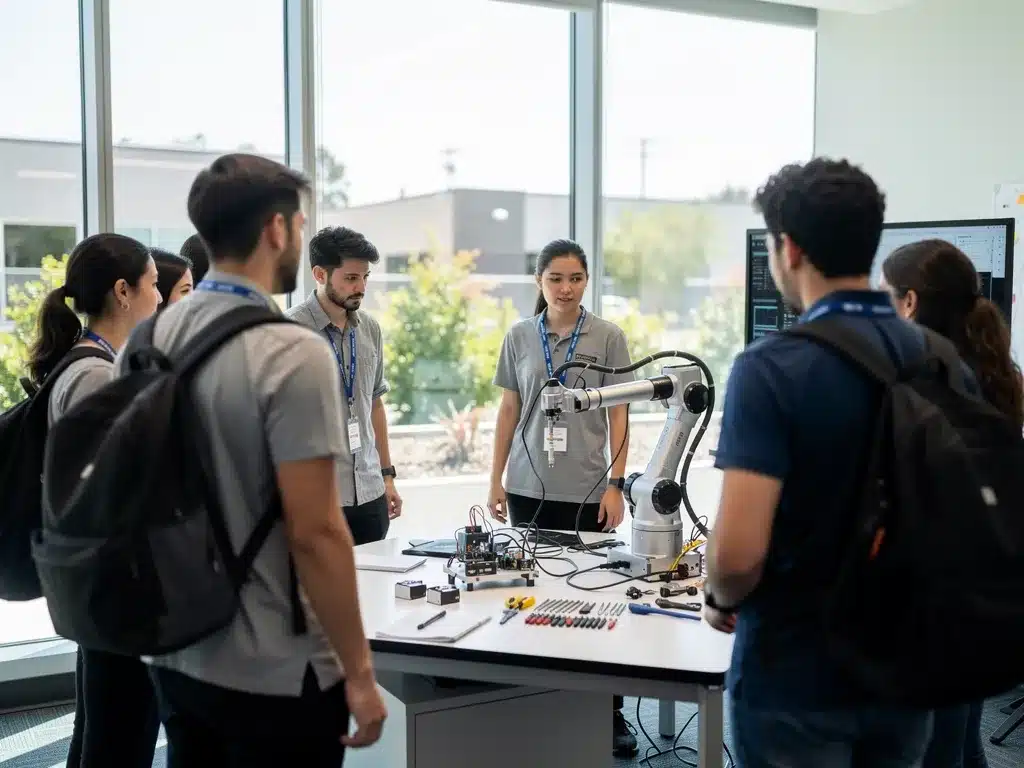
STEM OPT extension rules 2026 center on how F-1 students with STEM-designated degrees extend their practical training period, and preparation for that window matters as much as the filing itself. Candidates who enter STEM OPT without current technical skills risk losing ground in a competitive hiring market, regardless of how their extension paperwork is processed. We built our upskilling model around closing that exact gap.
Our organization, based in Fremont, California since 2010, works at the intersection of IT staffing and technical training. We match IT talent with employers ranging from startups to Fortune 500 companies. We treat STEM OPT candidates as a core part of that talent pipeline. Candidates benefit most when their coursework in Java, Data Science, or related fields gets reinforced with practical, job-ready skills before they enter the workforce.
How does upskilling support STEM OPT candidates?
Upskilling bridges the distance between academic coursework and employer expectations. We emphasize imparting the right technical knowledge to tech aspirants, rather than leaving candidates to rely solely on degree-program theory. This approach gives STEM OPT candidates a stronger footing when applying for roles tied to their STEM-designated programs.
What does SynergisticIT’s training focus on?
Our seminars concentrate primarily on Java, J2EE, and Full Stack development, skill areas that align closely with STEM OPT-eligible technical positions. We built one of the more thorough IT upskilling programs in the industry because exceptional employees require exceptional education first. Our training structure includes:
- Core Java and J2EE fundamentals
- Full Stack development practice
- Applied project work tied to current industry demands
Candidates who complete this preparation enter their STEM OPT period positioned to compete, not merely to comply with extension requirements.
How Do You File Form I-765 Correctly?

Accuracy on every page of the Form I-765 STEM OPT application determines whether USCIS approves employment authorization on schedule. We walk candidates through the exact submission standards USCIS enforces, starting with photo requirements that trip up far too many applicants.
What Photo Requirements Does USCIS Enforce?
USCIS requires that photos submitted with immigration filings, including OPT-related applications, stay unmounted and unretouched. No cropping, no digital editing, no mounting on cardstock or backing. We remind every candidate of this rule before they assemble their packet. A single noncompliant photo creates problems far beyond a simple resubmission request.
Submitting mounted or retouched images delays processing. May prompt USCIS to require an in-person visit to an Application Support Center to verify identity. That added step can push an approval timeline back by weeks, at a moment when candidates are often racing against a job start date. We treat this as a non-negotiable checklist item, not a minor formatting detail.
How Does SynergisticIT Support Candidates Through This Process?
Our recruiters take the time to understand each candidate’s individual circumstances, including the timing pressures tied to filing employment authorization paperwork. We know that OPT deadlines rarely align neatly with hiring timelines. We build our guidance around each person’s specific filing window rather than a one-size-fits-all script.
Once authorization clears, preparation does not stop. We dedicate substantial time to mock interviews and technical interview coaching. Candidates walk into employer conversations with genuine confidence rather than uncertainty. The goal is simple: by the time a candidate’s Department of Homeland Security OPT fee paperwork clears and employment authorization lands, they are ready to perform, not scrambling to catch up.
When Is Form I-539 Needed for F-1s?

Form I-539 F1 extension filings become necessary once a fixed admission date, rather than an open-ended status, governs an F-1 student’s stay. The new Department of Homeland Security rule replaces the long-standing duration of status framework with this fixed admission period, directly changing when an extension filing is required. We walk candidates through this shift as part of our broader guidance on maintaining lawful status while pursuing training opportunities.
What Changed Under the New F-1 Status Rule?
Under the rule, F students receive admission for a defined period instead of the indefinite duration of status many held previously. This F1 status duration of status rule change means every F-1 student now has a specific expiration date tied to their record, not an open timeline. Missing that date without filing an extension risks falling out of status entirely.
Who Needs to File Before the Deadline?
Students approaching the end of their fixed admission period. Anyone whose program timeline extends past that date, need to file for an extension of stay. We find three groups face the most exposure:
- Students completing a longer degree program after the original admission window closes
- Candidates transitioning toward Optional Practical Training who need extra time to finalize employment authorization
- STEM students planning ahead for a future STEM OPT extension rules 2026 filing, where status must remain valid throughout the process
Tracking the expiration date, not just the academic calendar, now determines compliance. We encourage candidates to confirm their fixed admission date early rather than assuming the prior duration of status protections still apply.
Because our services combine staffing placement with IT skill enhancement, candidates working with us get a single point of contact for both training progress and status deadlines. That combined support matters more now that fixed admission periods leave far less room for oversight than the previous framework allowed.
How Can SynergisticIT Guide Your OPT Journey?

We guide F1 visa OPT cost proposal navigation and skill-building through one integrated program rather than a patchwork of disconnected services. Based in Fremont, California, we combine software development, IT upskilling, and manpower planning under a single roof. Candidates working through STEM OPT extension rules 2026 do not have to juggle separate vendors for training and placement.
Our approach differs from typical coding bootcamps in a critical way. We built our job placement program to connect candidates directly with major tech clients, including Google, Apple, and Intel, rather than leaving graduates to search alone. Candidates on OPT and STEM OPT timelines benefit from this structure because our recruiters actively match talent to tech startups. Fortune 500 companies, not just entry-level openings.
What does SynergisticIT do differently from a staffing firm?
Staffing firms typically place candidates and step back. We stay involved throughout the training and placement cycle, pairing technical upskilling with active manpower planning. Candidates are job-ready before client introductions happen. This matters most for OPT holders racing a limited employment-authorization window.
How does SynergisticIT protect candidate information during placement?
We safeguard candidate and employer data with current encryption standards across every stage of training and placement. For international students submitting sensitive documentation, including materials tied to a Form I-765 STEM OPT application or a Form I-539 F1 extension, data protection is not optional. It is foundational to how we operate.
Our model supports candidates across several practical needs:
- Technical upskilling in in-demand areas like Java and data science
- Direct introductions to startups and Fortune 500 employers
- Encrypted handling of personal and immigration-related records
- Manpower planning support that aligns candidate readiness with employer timelines
With shifting Department of Homeland Security OPT fee policy. Discussion of an F1 status duration of status rule change, candidates need a program built for the full arc of training to placement, not just resume polishing. We built ours around that reality.
Conclusion

In closing, navigating OPT fees and F-1 visa STEM regulations demands clarity and strategic planning as you advance your technology career. Understanding these requirements positions you to make informed decisions about your professional trajectory while remaining compliant with immigration guidelines. At SynergisticIT, we recognize that international talent faces unique challenges in the evolving tech landscape. Our tailored approach to IT staffing. Skill enhancement empowers candidates to secure meaningful roles with industry leaders while maintaining full transparency throughout the process. Your career success depends on expertise, preparation, and trusted guidance, all essential components we deliver through our people-centric recruitment model.